Quick answer
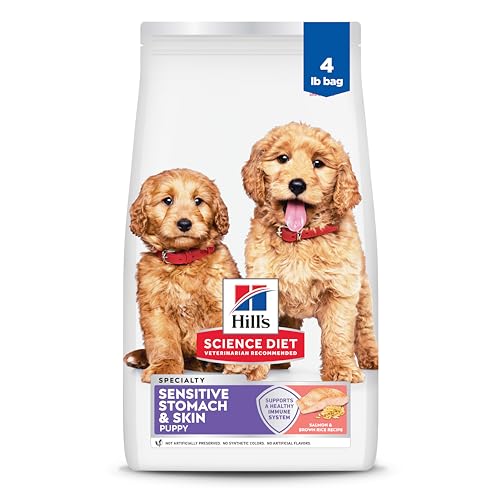
Our top pick for puppy food for travel in cars is Purina Pro Plan Puppy Chicken & Rice Formula. It offers complete and balanced nutrition in a kibble that travels well, with a resealable bag for freshness. For puppies with sensitive stomachs, Hill’s Science Diet Puppy Sensitive Stomach & Skin is a great alternative. Budget-conscious owners can consider Diamond Naturals Puppy Formula.
What to consider for Puppy Food For Travel In Cars
When traveling with a puppy, you need a food that is easy to pack, store, and serve without refrigeration. Kibble is ideal because it doesn’t spoil quickly. Look for resealable packaging or consider portioning into airtight containers. The food should be nutritionally complete for growth, with appropriate calorie density to avoid overfeeding in a less active travel setting. Also, consider your puppy’s usual diet to avoid digestive upset from sudden changes.
What to look for in a dog food
Choose a puppy food that is AAFCO complete and balanced for growth. The first ingredient should be a named meat source like chicken or lamb. Protein levels around 25 to 30% and fat around 12 to 18% are typical for puppies. For small breeds, smaller kibble size helps; for large breeds, look for controlled calcium and phosphorus levels to support healthy bone development. Omega-3 fatty acids from fish oil support brain and eye development. Avoid foods with excessive fillers or artificial additives.
How we chose these picks
- We evaluated products based on nutritional completeness for puppies.
- We considered packaging convenience for travel.
- We reviewed ingredient quality and named protein sources.
- We checked for AAFCO statements and life-stage appropriateness.
- We looked at brand reputation and manufacturing standards.
- We considered price and value for the ingredients.
- We read customer feedback on palatability and digestive tolerance.
- Never ranked a product higher just because it pays a commission.
What to avoid
- Avoid foods with unnamed meat meal as the only protein source.
- Be cautious with grain-free or legume-heavy recipes due to the FDA DCM investigation; grain-inclusive is generally safer unless a vet advises otherwise.
- Do not feed an all-life-stages food to a large-breed puppy, as it may have improper calcium levels.
- Avoid abrupt diet switches; transition gradually over 5 to 7 days, especially during travel.
For more guidance, check our dog guides and dog food and dog nutrition sections.