Quick answer
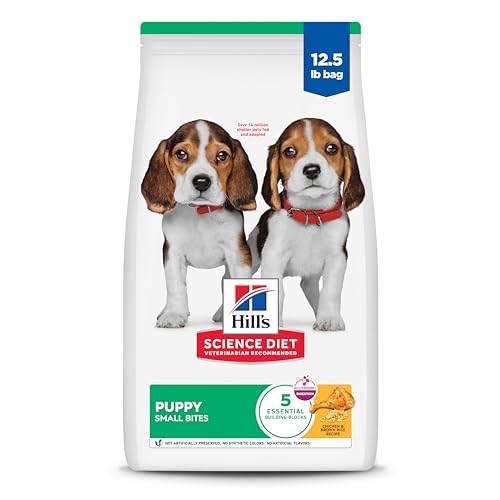
For most Vizsla puppies, our top pick is Purina Pro Plan Puppy Chicken and Rice Formula. It leads with real chicken, carries an AAFCO complete and balanced statement for growth, and provides the sensible protein, fat, and calories an athletic medium breed needs while still being grain inclusive. Royal Canin Medium Puppy Dry Dog Food is a strong choice if you prefer a recipe shaped specifically around medium breed growth windows. Hill’s Science Diet Puppy fits owners who want a conservative, widely stocked formula. Diamond Naturals Puppy is our budget pick, and Wellness Complete Health Puppy suits puppies that seem to do better on a gentler, lower fat recipe. Always introduce any new food gradually and ask your veterinarian about your individual puppy.
What to consider for Puppy Food For Vizsla
Vizslas are sporting dogs bred to run, point, and retrieve for hours, so puppies tend to be lean, fast growing, and very active. That high metabolism means they often need a calorie dense growth food and consistent meal timing to hold a healthy weight without ribs showing. As a medium breed (most adults land around 45 to 65 pounds), a standard puppy or medium breed puppy formula is appropriate. They generally do not need large breed puppy food, which is formulated to slow growth and control calcium for dogs that will exceed roughly 70 pounds.
Vizslas can also be sensitive and prone to a nervous, busy temperament, and some owners report softer stools on richer recipes, so a moderate fat level and a single, named protein can help. Omega fatty acids such as DHA support brain and eye development during the puppy stage. Because this breed stays active well into adulthood, building good muscle and joint foundations early matters. For any specific digestive, skin, or growth concern, talk with your veterinarian before changing the diet.
What to look for in a dog food
Start with the label. Look for an AAFCO complete and balanced statement for growth (or for all life stages), which tells you the food is formulated to nourish a puppy as a sole diet. A named meat as the first ingredient, such as chicken, lamb, or salmon, is a good sign, rather than a vague entry like “meat meal” with no animal named.
For a growing, athletic medium breed, practical targets many puppy foods fall into are roughly 26 to 32 percent protein and 14 to 20 percent fat on a dry matter basis, with calorie density often around 350 to 450 kcal per cup. Treat these as general ranges to compare products, not medical rules, and let your veterinarian guide the final choice. Confirm the food is meant for medium or all breed growth rather than large breed only, since large breed puppy diets deliberately limit calories and calcium. Finally, omega support such as DHA for development and, where present, ingredients that support joints are useful for a breed that will stay this active.
How we chose these picks
- Confirmed each product carries an AAFCO complete and balanced statement appropriate for puppy growth or all life stages.
- Required a named animal protein as the first ingredient, not an unnamed meat meal.
- Compared protein, fat, and calorie levels against the needs of an active medium breed puppy.
- Favored recipes suited to medium or all breed growth rather than large breed only formulas.
- Looked for DHA and omega fatty acids that support brain, eye, and coat development.
- Checked that each brand is currently sold on Amazon and widely available for easy reordering.
- Weighed real owner feedback and known trade offs, including stool quality and palatability, and listed an honest con for every pick.
- Never ranked a product higher just because it pays a commission.
What to avoid
- Foods that list only an unnamed “meat meal” as the protein source, with no animal species named on the label.
- Defaulting to grain free or legume heavy recipes. The FDA investigation into a potential link between certain diets and canine dilated cardiomyopathy is ongoing, and grain inclusive is the safer default unless your veterinarian advises otherwise for a specific reason.
- Feeding an all life stages or large breed puppy food simply by habit. Match the formula to a medium breed growing puppy, and ask your vet if you are unsure.
- Switching foods abruptly. Transition over about 7 to 10 days, mixing increasing amounts of the new food into the old to reduce the risk of digestive upset, which sensitive Vizsla stomachs can be prone to.
For more breed and feeding help, browse our dog guides, our dog food reviews, and our dog nutrition resources.