Quick answer
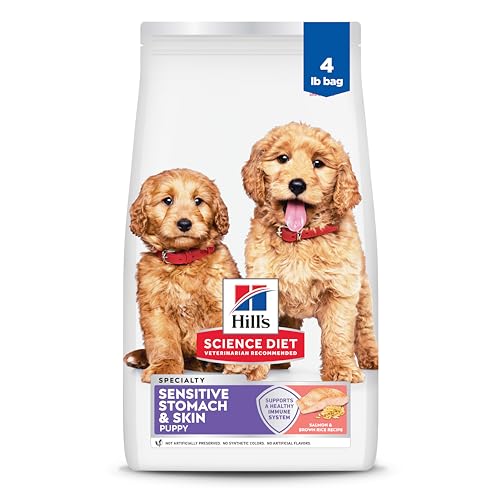
Our top pick for the best puppy food for weight gain is Purina Pro Plan Focus Puppy High Calorie Dry Dog Food. It offers 30% protein and 20% fat from real chicken, with DHA for brain development. For puppies with sensitive stomachs, Hill’s Science Diet Puppy Sensitive Stomach & Skin is a great alternative. Blue Buffalo Wilderness High Protein Puppy is ideal for active, large-breed puppies needing extra calories.
What to consider for Puppy Food For Weight Gain
Underweight puppies need a calorie-dense diet with high-quality protein and fat to support growth without overloading fillers. Look for a named meat as the first ingredient, such as chicken or lamb. The food should meet AAFCO nutrient profiles for growth. Fat content around 18 to 22% and protein 28 to 32% are typical for weight gain formulas. Avoid foods with excessive carbohydrates or low-quality protein sources. Consult your vet to rule out underlying health issues before changing diets.
What to look for in a dog food
Choose a food that is AAFCO complete and balanced for the growth life stage. The first ingredient should be a named meat like chicken, beef, or fish. Protein should be 28 to 32% and fat 18 to 22% for weight gain. For large breed puppies, ensure calcium and phosphorus levels are appropriate to avoid skeletal issues. Omega-3 fatty acids from fish oil support brain and eye development. Avoid foods with artificial preservatives, colors, or flavors.
How we chose these picks
- Evaluated ingredient quality and nutritional adequacy for growth
- Checked that first ingredient is a named meat source
- Ensured protein and fat levels support healthy weight gain
- Considered brand reputation and manufacturing standards
- Reviewed customer feedback for palatability and digestibility
- Verified AAFCO nutrient profiles for the correct life stage
- Never ranked a product higher just because it pays a commission
What to avoid
- Avoid foods with an unnamed “meat meal” as the only protein source
- Do not default to grain-free or legume-heavy recipes unless advised by a vet due to the FDA DCM investigation
- Do not feed all-life-stages food to a large-breed puppy; it may have improper calcium levels
- Avoid abrupt diet switches; transition over 5 to 7 days to prevent digestive upset
For more guidance, visit our dog guides, dog food, and dog nutrition pages.