Quick answer
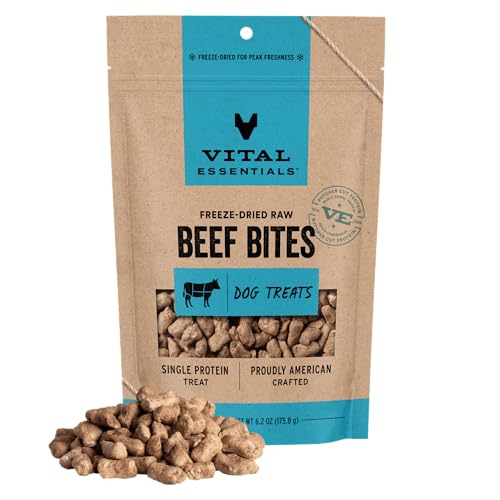
Our top pick is Primal Freeze-Dried Raw Nuggets (Chicken & Salmon) because it combines high-quality animal protein with omega-3s from salmon to support skin and coat health, which can reduce grooming struggles. For budget-conscious owners, Stella & Chewy’s Raw Coated Kibble offers a more affordable raw-inspired option. If your dog has a sensitive stomach, Vital Essentials Raw Bites are a single-protein choice that may minimize reactions.
What to consider for Raw Dog Food For Dogs That Hate Grooming
Dogs that dislike grooming often have sensitive skin, matting-prone coats, or anxiety during handling. A raw diet rich in omega-3 and omega-6 fatty acids can help maintain a healthy coat that sheds less and stays cleaner. Look for ingredients like salmon, fish oil, or flaxseed. Also consider that raw diets may require more careful handling and transition periods, which can be a drawback for some owners. For dogs with allergies, a limited-ingredient raw formula may reduce itching and inflammation, making grooming more tolerable.
What to look for in a dog food
First, ensure the food is AAFCO complete and balanced for your dog’s life stage (puppy, adult, or senior). Look for a named meat as the first ingredient, such as chicken, beef, or salmon. Protein levels should be around 30 to 40% on a dry matter basis for most active dogs, and fat around 15 to 25%. For dogs that hate grooming, omega-3 fatty acids (from fish oil or flaxseed) are beneficial for skin health. If you have a large breed puppy, avoid all-life-stages formulas as they may have improper calcium-to-phosphorus ratios. Joint support from glucosamine and chondroitin can also help if your dog is uncomfortable during grooming.
How we chose these picks
- Evaluated ingredient lists for named proteins and absence of artificial preservatives.
- Checked for AAFCO nutritional adequacy statements.
- Prioritized formulas with omega-3 and omega-6 fatty acids for skin and coat health.
- Considered product forms (freeze-dried, frozen, raw-coated) to suit different owner preferences.
- Reviewed customer feedback on palatability and digestive tolerance.
- Compared price per pound to ensure value across budgets.
- Selected products from reputable brands with transparent sourcing.
- Never ranked a product higher just because it pays a commission.
What to avoid
- Avoid foods where the only protein source is an unnamed “meat meal”.
- Do not default to grain-free or legume-heavy recipes; the FDA DCM investigation is ongoing, and grain-inclusive is the safer default unless your vet advises otherwise.
- Do not feed an all-life-stages food to a large-breed puppy, as it may not support proper growth.
- Avoid abrupt diet switches; transition over 7 to 10 days to prevent digestive upset.
For more guidance, visit our dog guides and explore dog food and dog nutrition resources.