Quick answer
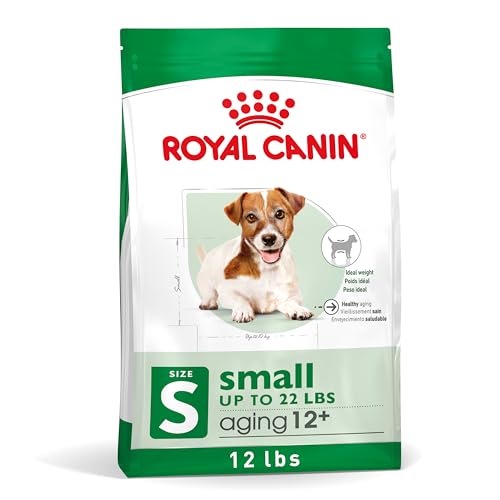
For most senior Boston Terriers, our editorial team leans toward Hill’s Science Diet Adult 7+ Small Paws as the top overall pick because it pairs a named meat first ingredient with a controlled calorie level and a small kibble size that suits a smaller jaw, and it carries an AAFCO complete and balanced statement for adult maintenance. Royal Canin Small Aging 12+ fits better for very senior dogs over 12 with reduced appetite, while Purina Pro Plan Bright Mind Small Breed 7+ suits owners focused on cognitive and senior support. For sensitive stomachs we point to Wellness Complete Health Senior, and budget shoppers can consider Diamond Naturals Small Breed Senior. Always confirm any new diet with your veterinarian, especially if your dog has a diagnosed condition.
What to consider for Senior Dog Food For Boston Terrier
Boston Terriers are a small breed, usually 12 to 25 pounds, so portion sizes are small and calorie density matters a lot. A senior Boston that is even one pound overweight is carrying meaningful extra load on its joints, so a moderate calorie food and careful measuring are important. They are also a brachycephalic breed, meaning the short muzzle can make some large or oddly shaped kibble harder to pick up and chew, so a small breed kibble shape tends to be easier. Bostons can be prone to flatulence and sensitive digestion, so a recognizable, named protein and a limited, consistent ingredient list often sit better than constantly rotating novel recipes. As dogs age, kidney, dental, and joint health become more relevant, and some seniors eat less, so palatability and easy chewing both count. None of these are diagnoses, and any weight loss, appetite change, or stiffness should be discussed with your veterinarian rather than self treated through diet alone.
What to look for in a dog food
Start with the AAFCO statement. For a senior dog you want a food labeled complete and balanced for adult maintenance or for all life stages, since there is no separate AAFCO senior profile. Look for a named meat as the first ingredient, such as chicken, lamb, salmon, or turkey, rather than a vague unnamed meat. For a small senior Boston, a sensible target is often roughly 18 to 28 percent protein and around 10 to 16 percent fat on the label, with a moderate calorie density so it is easy to avoid overfeeding, though the right numbers depend on your individual dog and your vet’s guidance. Choose a small breed formula where possible for the smaller kibble size and slightly higher calorie concentration appropriate to a fast metabolism. Joint and omega support matters for aging dogs, so glucosamine, chondroitin, and omega 3 fatty acids from fish oil or flax can be helpful additions, but treat them as support, not a treatment, and ask your veterinarian before adding any supplement.
How we chose these picks
- Confirmed each product is currently sold by major retailers and carries a clear AAFCO complete and balanced statement.
- Prioritized recipes with a named meat as the first ingredient over unnamed meat meals.
- Favored small breed senior formulas with a kibble size suited to a smaller, brachycephalic jaw.
- Compared protein, fat, and calorie levels against sensible ranges for a small senior dog rather than chasing extremes.
- Looked for joint and omega support such as glucosamine, chondroitin, and fish oil where the label lists it.
- Checked each brand against publicly available FDA recall and advisory information at the time of writing.
- Weighed digestibility and palatability cues, since senior Bostons can be gassy and some eat less with age.
- Never ranked a product higher just because it pays a commission.
What to avoid
- Recipes that list only an unnamed meat meal as the protein source, with no named animal protein to identify the species.
- Defaulting to grain free or legume heavy recipes without a reason. The FDA investigation into a potential link between certain diets and canine dilated cardiomyopathy is ongoing, so grain inclusive is the safer default unless your veterinarian advises otherwise.
- Feeding all life stages food to a large breed puppy, since the calcium and calorie levels are not tailored to controlled large breed growth. This matters for households with multiple dogs sharing food.
- Abrupt diet switches. Transition over 7 to 10 days by gradually mixing more new food into the old, which helps reduce stomach upset and gas.
For more help choosing the right food and routine, browse our dog guides, our dog food roundups, and our dog nutrition resources.