Quick answer
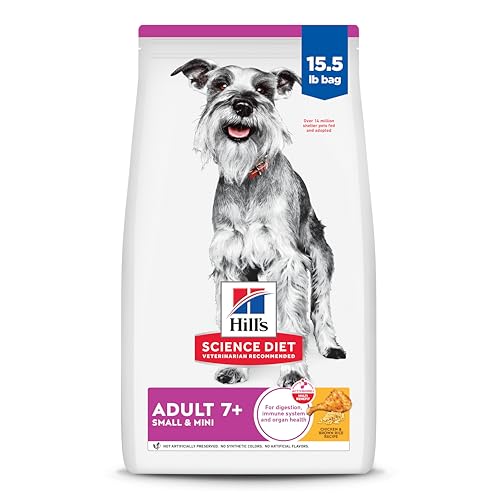
Our top pick for the best senior dog food for coat health is Hill’s Science Diet Adult 7+ Small & Toy Breed Chicken & Barley Recipe. It combines high-quality protein with omega-6s and vitamin E to nourish skin and coat. For dogs with sensitive stomachs, Purina Pro Plan Bright Mind Adult 7+ Salmon & Rice Formula is a close runner-up, offering easily digestible ingredients and DHA for cognitive health. If you’re on a budget, Diamond Naturals Senior Chicken & Rice Formula provides excellent coat support at a lower price point.
What to consider for Senior Dog Food For Coat Health
As dogs age, their skin becomes thinner and less elastic, and coat quality often declines. Senior dogs need optimal levels of omega-3 and omega-6 fatty acids, particularly EPA and DHA from fish oil, to reduce inflammation and support a glossy coat. Protein intake should remain moderate to high to maintain muscle mass, but with easily digestible sources to accommodate aging kidneys. Antioxidants like vitamin E and beta-carotene help combat oxidative stress. Additionally, joint-supporting ingredients such as glucosamine and chondroitin are beneficial since many seniors have arthritis. Always choose a food labeled for adult maintenance or senior life stage, and consult your vet to tailor nutrient levels to your dog’s specific health needs.
What to look for in a dog food
Look for an AAFCO statement confirming the food is complete and balanced for adult maintenance or senior life stage. The first ingredient should be a named animal protein like chicken, salmon, or lamb. Protein content should typically be 20 to 30 percent on a dry matter basis, with fat around 10 to 15 percent. Calorie density matters; seniors often need fewer calories to prevent weight gain. For small breeds, kibble size should be small. Large breeds benefit from added glucosamine and chondroitin. Omega-3 and omega-6 fatty acids should be listed, ideally from fish oil or flaxseed. Avoid excessive carbohydrates and fillers.
How we chose these picks
- Evaluated ingredient lists for named protein sources and absence of unnamed meat meals.
- Checked for guaranteed levels of omega-3 and omega-6 fatty acids.
- Verified AAFCO nutritional adequacy statements for adult or senior life stages.
- Considered brand reputation and adherence to WSAVA guidelines.
- Read consumer reviews for palatability and coat improvement reports.
- Prioritized products with added joint supplements like glucosamine.
- Compared price per pound to offer options across budgets.
- Never ranked a product higher just because it pays a commission.
What to avoid
- Foods with an unnamed “meat meal” as the primary protein source, as quality is uncertain.
- Defaulting to grain-free or legume-heavy recipes without veterinary guidance, due to the FDA’s ongoing investigation into a potential link with canine dilated cardiomyopathy (DCM).
- All-life-stages formulas for large-breed puppies; they can cause improper growth.
- Abrupt diet switches; transition gradually over 7 to 10 days to avoid digestive upset.
For more guidance, explore our dog guides, dog food resources, and dog health articles.