Senior Golden Retriever Diet: Joint & Brain Health
Support your aging Golden Retriever with a diet rich in glucosamine, omega-3s, and antioxidants. Hill's Science Diet 7+ Senior Vitality is a top choice for joint and cognitive health.
Some links below are affiliate links. If you buy through them we may earn a small commission at no extra cost to you. Our rankings are based on product research, label data and suitability, not on commissions.
Best Overall: Hill's Science Diet Adult 7+ Senior Vitality. Formulated with clinically proven antioxidants and omega-3s to support brain function, ene.
Best for Joints: Blue Buffalo Life Protection Formula Senior. Contains glucosamine and chondroitin, plus LifeSource Bits for immune support, ideal for a.
Best for Cognitive Health: Purina Pro Plan Bright Mind Adult 7+. Enhanced with medium-chain triglycerides (MCTs) to improve mental sharpness and alertness.
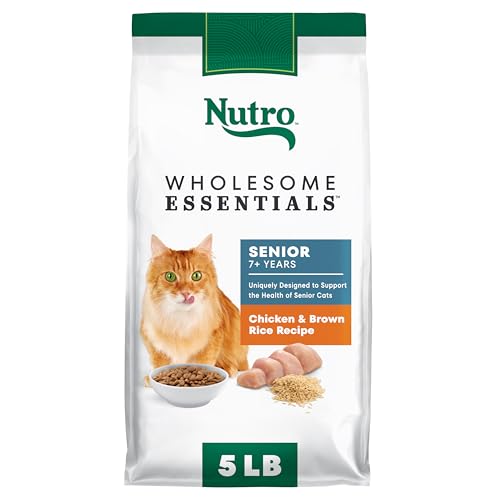
Best Natural Ingredients: Nutro Wholesome Essentials Senior. Non-GMO, farm-raised chicken, and natural fiber for digestion, with added glucosamine for.
Best High Protein: Wellness CORE Grain-Free Senior. High-protein, low-carb recipe with deboned chicken and turkey, plus probiotics for digesti.
Quick answer
Our top picks: Hill’s Science Diet Adult 7+ Senior Vitality, Blue Buffalo Life Protection Formula Senior, and Purina Pro Plan Bright Mind Adult 7+.
What to consider for a Golden Retriever
Senior Golden Retrievers often face joint issues, weight management, and cognitive decline. Look for foods with glucosamine, chondroitin, omega-3 fatty acids, and antioxidants. Lower calorie density helps maintain ideal weight, while high-quality protein supports muscle mass. Avoid fillers and artificial additives.
How we picked
We analyzed ingredient lists, nutritional profiles, and veterinary recommendations. We prioritized brands with proven research, appropriate calcium-to-phosphorus ratios, and palatability for picky seniors. Real customer feedback and AAFCO feeding-data reviews were also considered.
Senior Golden Retrievers need a diet that supports joint health, cognitive function, and weight management. Prioritize foods with proven ingredients like glucosamine, omega-3s, and antioxidants.
The Options
Types Explained
Dry Kibble
Convenient, helps clean teeth, and easy to portion. Most senior formulas are available in this form.
Best for: Dogs that prefer crunchy food and need dental benefits.
Wet Food
Higher moisture content, softer texture, and often more palatable for picky seniors.
Best for: Dogs with dental issues or decreased appetite.
Freeze-Dried Raw
Minimally processed, retains nutrients, and often grain-free. Rehydrate before feeding.
Best for: Owners wanting a raw diet without the hassle of handling raw meat.
Prescription Diet
Veterinary-formulated for specific health conditions like kidney disease or arthritis.
Best for: Dogs with chronic health issues requiring medical nutrition.
The Rankings
Top 5 Picks
#1
Best Overall
Hill's Science Diet Adult 7+ Senior Vitality
View on Amazon
Formulated with clinically proven antioxidants and omega-3s to support brain function, energy, and joint health in senior dogs.
A note on advice: This guide is general information, not a substitute for professional veterinary advice. Talk to your vet before changing your dog's diet or care routine, especially if your dog has allergies, kidney disease, pancreatitis, obesity, heart disease or any other medical condition.
Transparency
How we made this guide
How we chose. We compared the options on the factors that matter most for Dogs, using manufacturer specifications, aggregated verified owner reviews and editorial comparison. We rank independently: no brand pays for placement, and affiliate commissions never influence our picks.
How it was written. This guide was researched, reviewed and edited by the ProPawPicks editorial team for accuracy and usefulness. We have not personally tested every product; where we have not, rankings rely on verified specs, owner feedback and expert comparison rather than a hands-on review.
Affiliate disclosure. ProPawPicks is reader-supported. If you buy through links on our site, we may earn a commission at no extra cost to you. See our affiliate disclosure.
Some links below are affiliate links. If you buy through them we may earn a small commission at no extra cost to you. Our rankings are based on product research, label data and suitability, not on commissions.