Quick answer
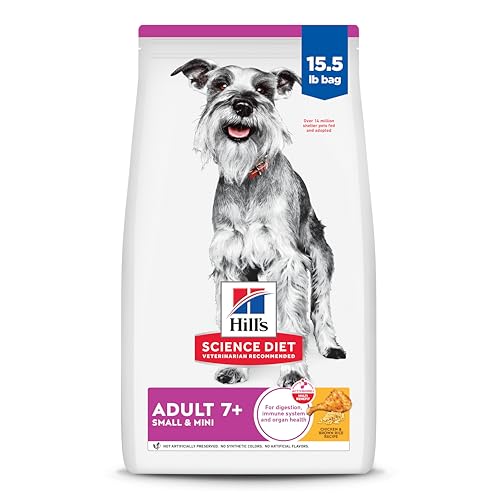
Our top pick is Hill’s Science Diet Adult 7+ Small & Toy Breed dry dog food, because it offers balanced nutrition with glucosamine and chondroitin for joint health, tailored for smaller indoor breeds. For larger indoor seniors, Purina Pro Plan Bright Mind Adult 7+ is a strong runner-up with enhanced cognitive support. If your dog has a sensitive stomach, Royal Canin Aging 12+ Loaf in Sauce provides gentle, palatable nutrition.
What to consider for Senior Dog Food For Indoor Dogs
Indoor senior dogs often have lower energy expenditure, so calorie density must be controlled to prevent obesity. Joint health becomes critical as mobility declines, and many indoor dogs are smaller breeds prone to dental issues. Look for foods with moderate protein (20-25% dry matter), reduced fat (10-15%), and added glucosamine, chondroitin, and omega-3s. Fiber content around 3-5% aids digestion, and kibble size should match small mouths. Always consult your vet for specific needs.
What to look for in a dog food
Choose a food that is AAFCO complete and balanced for the senior life stage (adult maintenance or senior). The first ingredient should be a named meat source (e.g., chicken, lamb, salmon). Protein should be 20-25% on a dry matter basis, fat 10-15%, and fiber 3-5%. For indoor seniors, calorie density around 350-400 kcal per cup is ideal. Look for added glucosamine and chondroitin for joints, and omega-3 fatty acids (EPA/DHA) for skin, coat, and cognitive health. Avoid foods with excessive fillers or artificial preservatives.
How we chose these picks
- Evaluated ingredient quality and nutritional adequacy based on AAFCO statements.
- Focused on formulas specifically designed for senior dogs or small breeds.
- Considered calorie density and fat content suitable for less active indoor dogs.
- Prioritized added joint-supporting ingredients like glucosamine and chondroitin.
- Checked for digestibility and inclusion of prebiotic fibers.
- Reviewed brand reputation and manufacturing standards.
- Ensured kibble size is appropriate for small mouths.
- Never ranked a product higher just because it pays a commission.
What to avoid
- Unnamed “meat meal” as the primary protein source; avoid vague labels like “poultry meal”.
- Defaulting to grain-free or legume-heavy recipes; the FDA DCM investigation is ongoing, so grain-inclusive is the safer default unless your vet advises otherwise.
- All-life-stages foods for senior dogs, as they may have inappropriate calorie and nutrient levels.
- Abrupt diet switches; transition over 7-10 days by mixing old and new food gradually.
For more guidance, explore our dog guides, dog food, and dog nutrition resources.


