Quick answer
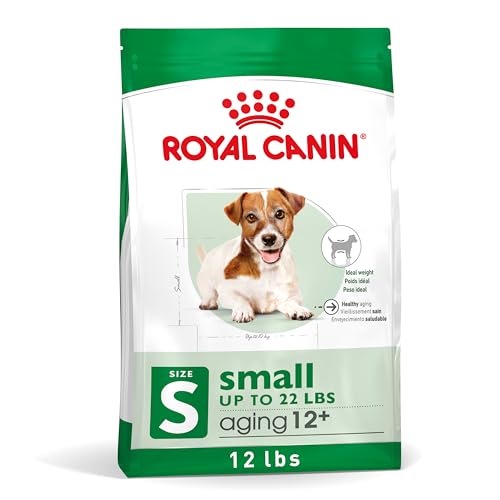
Our top overall pick for an aging Yorkshire Terrier is Royal Canin Small Aging 12+ Dry Dog Food, because it is built specifically for small breeds over 12 pounds and over 12 years old, uses very small kibble that fits a Yorkie’s tiny jaw, and carries an AAFCO complete and balanced statement for senior small dogs. If your senior Yorkie has a sensitive stomach, Hill’s Science Diet Senior 7+ Small Paws Sensitive Stomach and Skin may suit better. On a tighter budget, Diamond Naturals Small Breed Senior covers the basics well. These are general comparisons based on publicly available product information, not medical advice. Talk to your veterinarian before switching foods, especially if your dog has a diagnosed condition.
What to consider for Senior Dog Food For Yorkie
Yorkshire Terriers are a toy breed, usually 4 to 7 pounds, and that small size shapes nearly every feeding decision as they age. Kibble size matters most. A senior Yorkie often has worn or missing teeth and a very small mouth, so look for “small breed” or “small bites” kibble they can actually pick up and chew. Calorie density is the next concern. Senior Yorkies are usually less active, and even a few extra ounces of body weight is significant on such a small frame, so controlled calories help guard against weight gain, which a vet can confirm for your individual dog.
Yorkies are also prone to dental disease, luxating patella, tracheal collapse, and low blood sugar in some individuals, and they can be picky eaters. Senior formulas that support joint health with glucosamine or omega fatty acids may be helpful as a general comfort measure, though they are not a treatment for any diagnosed condition. Because toy breeds can be sensitive to long gaps between meals, many owners feed senior Yorkies two to three smaller meals a day rather than one large one. Always confirm the right approach for your dog with your veterinarian.
What to look for in a dog food
AAFCO statement. The label should say the food is “complete and balanced” for the right life stage, ideally “adult maintenance” or “senior” rather than “all life stages,” which is formulated to also meet the higher needs of growth. A named meat first. Look for “chicken,” “deboned chicken,” “lamb,” or “salmon” as the first ingredient, not a vague “meat meal” or “animal by-product.” Sensible nutrient levels. As a practical guideline only, many small-breed senior foods land around 18 to 28 percent protein and roughly 10 to 16 percent fat on a dry-matter basis, with calorie density often near 350 to 450 calories per cup. These are general ranges, not medical rules, and your vet may advise different targets.
Small-breed suitability. A Yorkie needs small-breed or toy-breed kibble, never large-breed formulas, which use bigger pieces and different calcium balance. Joint and omega support. Glucosamine, chondroitin, and omega-3s such as those from fish oil are commonly included in senior recipes and may support comfort and coat as a general wellness measure. For any actual joint pain, dental problem, or medical condition, consult your veterinarian.
How we chose these picks
- We compared products using publicly available manufacturer information, ingredient lists, and AAFCO nutritional adequacy statements.
- We prioritized small-breed or toy-breed senior formulas with appropriately small kibble for a Yorkie’s mouth.
- We required a named animal protein as the first ingredient wherever possible.
- We favored recipes with controlled calorie density suitable for a less active senior toy dog.
- We looked for added joint support such as glucosamine and omega-3 fatty acids where relevant.
- We checked each brand against the FDA animal food recall list available at the time of writing.
- We weighed honest trade-offs such as price, palatability for picky eaters, and ingredient transparency, and we read common owner complaints.
- Never ranked a product higher just because it pays a commission.
What to avoid
- An unnamed “meat meal” or “animal by-product” as the only protein source, with no named species on the label.
- Defaulting to grain-free or legume-heavy recipes. The FDA investigation into a potential link between certain grain-free and legume-rich diets and canine dilated cardiomyopathy is ongoing, so grain-inclusive recipes are the safer default unless your veterinarian specifically advises otherwise.
- Feeding an “all life stages” formula to a large-breed puppy, since those foods are not controlled for the calcium and calorie needs of large-breed growth. This matters for the broader category even though a senior Yorkie is not a puppy.
- Abrupt diet switches. Transition gradually over 7 to 10 days, mixing increasing amounts of the new food into the old, to reduce the risk of digestive upset.
For more help choosing, browse our dog guides, our dog food reviews, and our dog nutrition resources.


