Quick answer
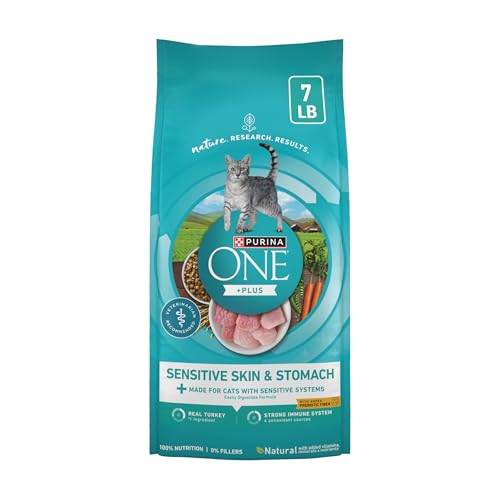
Our top pick for sensitive stomach cat food for hairballs is Hill’s Science Diet Adult Sensitive Stomach & Skin Chicken Recipe Dry Cat Food. It combines prebiotic fiber for gentle digestion with natural fiber to help hairballs pass through the system. For a budget-friendly option, Purina ONE Sensitive Skin & Stomach Dry Cat Food offers solid nutrition at a lower price. If your cat prefers wet food, Royal Canin Adult Instinctive Canned Cat Food is a great choice for sensitive stomachs.
What to consider for Sensitive Stomach Cat Food For Hairballs
Cats with sensitive stomachs often have digestive issues like vomiting, diarrhea, or gas, which can be worsened by hairballs. Hairballs form when cats ingest loose fur during grooming, and if the digestive system is slow or irritated, the fur can accumulate instead of passing through. The ideal food should contain easily digestible proteins, prebiotic fibers (like chicory root or beet pulp) to support gut health, and natural fiber sources (such as psyllium or cellulose) to help move hair through the digestive tract. Avoid foods with artificial additives, excessive fat, or common allergens like corn, wheat, or soy. Omega-3 fatty acids can also help reduce inflammation and improve skin and coat health, which may decrease shedding.
What to look for in a cat food
When choosing a cat food for sensitive stomach and hairballs, look for an AAFCO statement confirming it is complete and balanced for your cat’s life stage (adult, kitten, or senior). The first ingredient should be a named meat source (e.g., chicken, salmon) to ensure adequate animal protein. Taurine is an essential amino acid for cats, so the food must include it. For sensitive stomachs, limited ingredient diets or novel proteins can help identify food intolerances. Moisture content matters: wet food provides hydration and can be easier to digest, while dry food may offer more fiber for hairball control. Also consider life stage: kittens need higher protein and calories, seniors may benefit from joint support ingredients.
How we chose these picks
- We evaluated formulas specifically marketed for sensitive stomach or hairball control.
- We prioritized foods with named meat as the first ingredient and a guaranteed analysis meeting AAFCO standards.
- We looked for added fiber sources like psyllium, cellulose, or beet pulp to aid hairball passage.
- We considered the presence of prebiotics and probiotics to support digestive health.
- We checked for omega-3 and omega-6 fatty acids for skin and coat health.
- We reviewed customer feedback for palatability and reported improvements in digestion and hairball reduction.
- We compared price per pound to ensure value across different budgets.
- Never ranked a product higher just because it pays a commission.
What to avoid
- Avoid foods with no named meat or vague by-products; cats need high-quality animal protein.
- Steer clear of recipes with insufficient taurine; taurine deficiency can cause serious health issues.
- Do not default to all-life-stages food for a kitten or senior without checking if it meets their specific needs (e.g., calcium for kittens, lower phosphorus for seniors).
- Avoid abrupt diet switches; transition over 7 to 10 days to prevent digestive upset.
For more guidance, explore our cat guides, cat food, and cat health resources.