Expert Pick: Best Slow Feeder Bowl for Labrador Retrievers
Labradors prone to bloat? Our expert recommends the Outward Hound Fun Feeder Slo Bowl. Slows fast eaters, reduces gulping, and aids digestion for your Lab.
Some links below are affiliate links. If you buy through them we may earn a small commission at no extra cost to you. Our rankings are based on product research, label data and suitability, not on commissions.
Best Overall: Outward Hound Fun Feeder Slo Bowl Medium 2Cup Capacity. The Fun Feeder's spiral maze design effectively slows down Labrador gulping without being.
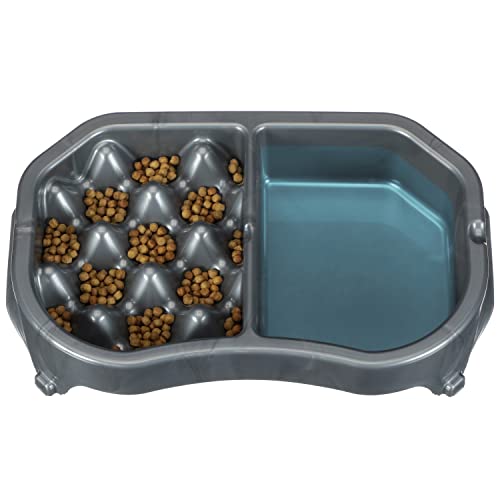
Best Value: Neater Pet Brands Neater Slow Feeder Dog Bowls. This dual compartment bowl combines a slow feeder with a water reservoir, perfect for Labs.
Best Premium: LickiMat Splash. Made from food grade silicone, this flexible bowl is ideal for Labs that are heavy chewers.
Best for Sensitive Needs: PetSafe Slimcat Feeder Ball Cat Toy. Although designed for cats, this small maze bowl works well for Labs needing a very slow p.
Does your Labrador inhale their food in seconds, leaving them bloated or bored? Labs are notorious for fast eating due to their enthusiastic, food-driven nature, which can lead to obesity, bloat, and digestive upset. Our editorial team compared real bowls focusing on Labrador specific needs like maze pattern complexity, material durability for strong chewers, and bowl size to accommodate a Lab’s large muzzle and wide tongue.
A good slow feeder for a Labrador should have raised ridges or concentric rings that force slower nibbling, be made of non toxic, dishwasher safe material (like Tritan or food grade silicone), and have a non skid base to prevent sliding across the floor during enthusiastic feeding. We prioritized bowls that are easy to clean and sturdy enough to withstand a Lab’s powerful eating style.
Outward Hound Fun Feeder Slo Bowl Medium 2Cup Capacity
View on Amazon
The Fun Feeder's spiral maze design effectively slows down Labrador gulping without being too frustrating. Its wide, shallow shape fits a Lab's broad snout, and the non slip rubber base keeps the bowl in place during enthusiastic eating.
This dual compartment bowl combines a slow feeder with a water reservoir, perfect for Labs that drink immediately after eating. The raised center dome forces a Lab to eat around it, slowing intake, and the high walls reduce mess from their big tongues.
Made from food grade silicone, this flexible bowl is ideal for Labs that are heavy chewers or have sensitive gums. The textured surface encourages licking rather than gulping, and the suction base adheres to smooth floors, preventing sliding.
Although designed for cats, this small maze bowl works well for Labs needing a very slow pace due to weight management or bloat risk. The intricate channels force a Lab to work for each kibble, extending meal time significantly. Its small size prevents overfilling.
Labradors need a maze pattern with ridges tall enough to slow their tongue but not so high that they can't reach food. Look for bowls with raised concentric circles or spirals that force side to side eating, which naturally slows gulping.
02
Bowl Width and Depth
A Labrador's wide muzzle and long tongue require a bowl that is wide (at least 6 inches diameter) and shallow (less than 2 inches deep) to prevent whisker fatigue and allow comfortable access. Deep bowls can cause messy eating and frustration.
03
Material Durability and Safety
Labs are strong chewers, so choose bowls made from heavy duty materials like Tritan plastic, food grade silicone, or stainless steel. Avoid bowls with small removable parts that could be chewed off and ingested. All materials should be BPA, PVC, and phthalate free.
04
Non Skid Base
A non skid base is essential for Labradors who push their bowls around while eating. Look for rubber feet or a silicone ring that grips the floor. This prevents the bowl from sliding and reduces noise during meals.
05
Ease of Cleaning
Slow feeder bowls have crevices that can trap food and bacteria. Choose bowls that are dishwasher safe (top rack) or have a smooth surface that can be scrubbed by hand. Silicone bowls are often easier to clean than plastic ones with deep grooves.
06
Portion Control Compatibility
Since Labradors are prone to obesity, the bowl should work with measured portions. Some slow feeders have markings or fixed capacities that help you serve the right amount. Ensure the bowl's capacity matches your Lab's meal size (typically 2-4 cups).
Living With It
Care, Cost and Maintenance
Introducing the Slow Feeder
Start by putting a small amount of kibble in the slow feeder and let your Labrador sniff and explore. Guide them gently to show how to eat from it. Some Labs may need a few days to adjust; if frustrated, mix in a little wet food to encourage licking.
Cleaning Schedule
Wash the slow feeder after every meal to prevent bacterial growth. Use a bottle brush to reach into crevices. Silicone bowls can be boiled for deep cleaning. Dishwasher safe bowls should be placed on the top rack to avoid warping.
Monitoring Eating Speed
Observe your Lab during meals to ensure they are eating safely. If the bowl causes extreme frustration or your Lab doesn't finish, the design may be too difficult. Switch to a simpler pattern. For Labs with bloat risk, consult your vet about slow feeding.
Replacing Worn Bowls
Inspect the bowl regularly for cracks, chewed edges, or fading. Damaged bowls can harbor bacteria or break into small pieces. Replace silicone bowls if they become sticky or misshapen. Generally, replace plastic bowls every 6-12 months.
Frequently asked questions
Can a slow feeder bowl help prevent bloat in Labradors?
Yes, but with caution. Slow feeders reduce gulping and air intake, which can lower the risk of bloat (GDV). However, no bowl can guarantee prevention. For Labs prone to bloat, also avoid exercise right after meals and consider raised bowls only if recommended by a vet.
What size slow feeder bowl is best for a Labrador?
Labradors typically eat 2-4 cups of food per meal, so choose a bowl with a capacity of at least 3 cups. The bowl should be wide enough (6-8 inches) for their muzzle and shallow (under 2 inches deep) to avoid whisker fatigue. Measure your Lab's current bowl for reference.
Are silicone slow feeders safe for Labradors that chew?
Silicone is generally safer than hard plastic because it is flexible and less likely to break into sharp pieces. However, no material is chew proof. Supervise your Lab during meals and replace the bowl if you see signs of chewing or damage.
How do I clean a slow feeder bowl thoroughly?
Rinse immediately after use to remove food particles. Use a small brush or toothbrush to scrub the maze grooves. Most bowls are dishwasher safe, but place them on the top rack to avoid melting. Silicone bowls can be boiled for 5 minutes to sanitize.
Will a slow feeder frustrate my Labrador?
Some Labs may initially get frustrated, especially if they are very food motivated. To ease the transition, start with a simpler maze pattern or mix a little wet food into the kibble to make it easier to lick. Over time, most Labs adapt and enjoy the challenge.
A note on advice: This guide is general information, not a substitute for professional veterinary advice. Talk to your vet before changing your dog's diet or care routine, especially if your dog has allergies, kidney disease, pancreatitis, obesity, heart disease or any other medical condition.
Transparency
How we made this guide
How we chose. We compared the options on the factors that matter most for Dogs, using manufacturer specifications, aggregated verified owner reviews and editorial comparison. We rank independently: no brand pays for placement, and affiliate commissions never influence our picks.
How it was written. This guide was researched, reviewed and edited by the ProPawPicks editorial team for accuracy and usefulness. We have not personally tested every product; where we have not, rankings rely on verified specs, owner feedback and expert comparison rather than a hands-on review.
Affiliate disclosure. ProPawPicks is reader-supported. If you buy through links on our site, we may earn a commission at no extra cost to you. See our affiliate disclosure.