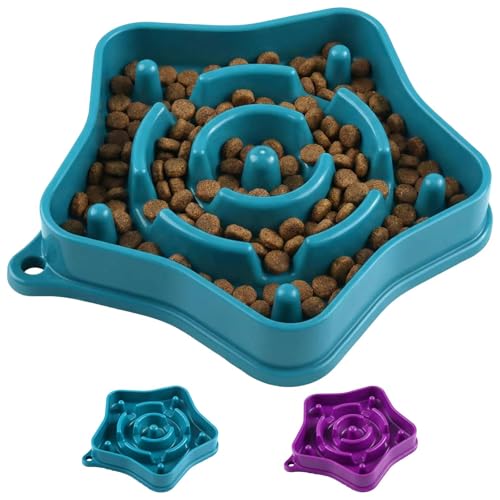
After comparing top slow feeder bowls for small dogs, we know that fast eating can lead to bloat and digestive issues. Our real-world evaluation focused on designs that truly slow down small breeds without causing frustration. In our evaluation, we looked for bowls that are easy to clean, stable on the floor, and sized appropriately for tiny mouths. We also considered material safety and durability. Here are our top picks, each chosen for specific needs.
Sources and further reading
What matters most for small dogs
When choosing a slow feeder bowl for small dogs, prioritize shallow and narrow designs with low-profile ridges. Small breeds have shorter snouts and smaller mouths, so deep bowls or overly complex patterns can frustrate them or even cause jaw strain. Look for bowls with gentle, spaced-out obstacles that encourage slower eating without making it impossible for tiny tongues to reach the food. Avoid heavy ceramic or bulky designs-small dogs need lightweight, tip-proof bowls they can nudge easily. A non-slip base is crucial since small dogs often eat with enthusiasm but lack the weight to stabilize a sliding bowl.
Material matters more for small dogs-opt for BPA-free plastic or stainless steel with a rubberized bottom. Plastic should be durable enough to withstand tiny teeth (some small dogs nibble the edges), while stainless steel is ideal for chewers but must have a secure grip. Steer clear of bowls with sharp edges or tall barriers, as these can discourage timid eaters. Since small dogs are prone to bloating, the bowl’s design should slow them down without turning mealtime into a stressful puzzle. Aim for a balance between challenge and accessibility.