5 Slow Feeder Bowls for Large Dogs: Which to Buy in 2026
Find the best slow feeder bowl for large dogs, including the top-rated Outward Hound Fun Feeder. Learn how to choose based on snout shape and eating style to prevent bloat.
Some links below are affiliate links. If you buy through them we may earn a small commission at no extra cost to you. Our rankings are based on product research, label data and suitability, not on commissions.
Best Overall: Outward Hound Fun Feeder Slo Bowl, Large. The Outward Hound Fun Feeder Slo Bowl is our top pick for its effective maze design that s.
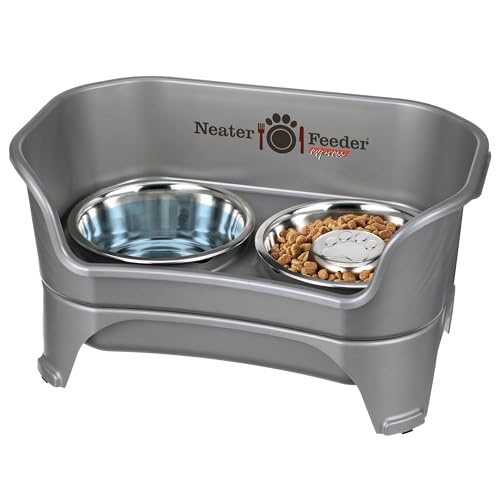
Best for Heavy Chewers: Neater Feeder Slow Feed Dog Bowl, Large. The Neater Feeder Slow Feed Bowl features a durable, chew-resistant design with a raised p.
Best for Easy Cleaning: PetFusion Maze Slow Feeder Dog Bowl, Large. PetFusion's maze bowl is made from high-quality melamine that resists scratches and is top.
Best for Flat-Faced Breeds: Lixit Slomo Dog Bowl, Large. The Lixit Slomo Bowl has a unique design with raised bumps instead of walls, making it eas.
Best Budget: Leashboss Slow Feeder Dog Bowl, Large. The Leashboss Slow Feeder offers a simple yet effective maze pattern at an affordable pric.
Quick answer
Our top pick is the Outward Hound Fun Feeder Slo Bowl (large). Its unique maze design slows eating by up to 10 times and is dishwasher safe. For heavy chewers, the Neater Feeder Slow Feed Bowl offers a sturdier build. The PetFusion Maze Bowl is best for easy cleaning, while the Lixit Slomo Bowl is ideal for flat-faced large breeds. The Leashboss Slow Feeder provides a budget-friendly option.
What to consider for Slow Feeder Dog Bowl For Large Dogs
Large dogs need a bowl that is wide and stable to prevent tipping. Look for non-slip bases and food-grade materials like melamine or stainless steel. The maze or ridge design should be challenging but not frustrating. Consider your dog’s eating style: some dogs use their tongues to scoop, others use their snouts. A bowl with removable dividers can be easier to clean. Also, check the bowl’s capacity to hold a full meal for your dog’s size.
What to look for in a cleaning or lawn product (urine, stain, odour or lawn-repair)
When cleaning up after slow feeder bowls, especially if your dog eats outdoors, choose enzymatic cleaners that break down urine proteins and eliminate odours at the source. Ensure the product is pet-safe once dry. For lawn repair, look for formulas that neutralize nitrogen burns from urine and promote grass regrowth. Avoid ammonia-based cleaners as they can attract dogs to re-mark the area.
How we chose these picks
Evaluated bowl stability and non-slip features for large breeds
Assessed maze complexity to ensure effective slowing without causing frustration
Checked material safety (BPA-free, food-grade, dishwasher safe)
Considered ease of cleaning, especially for bowls with intricate designs
Read verified buyer reviews focusing on durability and large dog satisfaction
Compared price points to offer options for every budget
Never ranked a product higher just because it pays a commission
What to avoid
Avoid bowls with shallow ridges that don’t slow eating effectively
Steer clear of materials that can chip or crack, like cheap plastic
Don’t choose a bowl that is too small; large dogs need ample space to eat comfortably
Avoid designs with sharp edges that could injure your dog’s tongue or snout
Slow feeder bowls can reduce eating speed by up to 10 times, which helps prevent bloat and improves digestion in large dogs. However, not all designs work for every breed, so choosing based on your dog's snout shape and eating style is crucial.
The Options
Types Explained
Maze Slow Feeder
Features a pattern of walls or ridges that the dog must navigate to reach food. Effective for most dogs and available in various materials.
Best for: Dogs that gulp food quickly and need a moderate challenge.
Raised Slow Feeder
Elevated bowl with built-in obstacles. Promotes better posture and can reduce neck strain. Often includes a non-slip base.
Best for: Large dogs with neck or joint issues, or those that eat from a raised position.
Bump Slow Feeder
Uses raised bumps instead of walls. Easier for flat-faced breeds to access food. Typically made from silicone or plastic.
Best for: Brachycephalic breeds like Bulldogs, Pugs, or Boxers.
Collapsible Slow Feeder
Made from flexible silicone that folds flat for storage or travel. Often includes a simple maze pattern. Lightweight and portable.
Best for: Travel or outdoor use where portability is key.
The Rankings
Top 5 Picks
#1
Best Overall
Outward Hound Fun Feeder Slo Bowl, Large
View on Amazon
The Outward Hound Fun Feeder Slo Bowl is our top pick for its effective maze design that slows eating by up to 10 times. It is made from food-grade, BPA-free materials and is dishwasher safe for easy cleaning. The non-slip base keeps it stable on the floor. However, some large dogs may find the ridges too easy to navigate, reducing the slowing effect.
The Neater Feeder Slow Feed Bowl features a durable, chew-resistant design with a raised platform that promotes better posture. Its maze is moderately challenging and the bowl is easy to disassemble for cleaning. The main trade-off is that the raised design may not suit all dogs, especially those with neck issues.
PetFusion's maze bowl is made from high-quality melamine that resists scratches and is top-rack dishwasher safe. The maze pattern is effective for most large dogs and the bowl has a wide, stable base. A limitation is that the maze is not removable, making hand washing slightly more tedious.
The Lixit Slomo Bowl has a unique design with raised bumps instead of walls, making it easier for flat-faced large breeds like Bulldogs to eat without obstruction. It is made from BPA-free plastic and has a non-slip ring. However, the bumps may not slow down determined eaters as much as full maze designs.
The Leashboss Slow Feeder offers a simple yet effective maze pattern at an affordable price. It is made from food-grade silicone that is flexible and easy to clean, and it collapses for travel. The downside is that silicone can retain odors over time and may not be as durable as hard plastic or melamine.
Choose food-grade materials such as melamine, stainless steel, or BPA-free plastic. Silicone is lightweight and collapsible but may absorb odors. Avoid cheap plastics that can chip or contain harmful chemicals.
02
Maze Complexity
The maze should be challenging enough to slow eating but not so complex that your dog gives up. For large dogs, ridges should be tall and spaced to prevent gulping. Test with a small amount of food first.
03
Stability and Non-Slip Base
Large dogs can push bowls around. Look for a wide base with rubber or silicone grips to keep the bowl in place. Some bowls come with suction cups for extra stability.
04
Ease of Cleaning
Bowls with removable dividers or simple maze patterns are easier to clean. Dishwasher-safe options save time. Hand washing is required for bowls with intricate, non-removable mazes.
05
Size and Capacity
Ensure the bowl can hold a full meal for your large dog. Measure your dog's typical portion and compare to the bowl's capacity. A bowl that is too small may cause frustration.
Living With It
Care, Cost and Maintenance
Daily Cleaning
Rinse the bowl after each meal to remove food residue. Wash with warm soapy water or place in the dishwasher if dishwasher safe. Dry thoroughly to prevent bacterial growth.
Deep Cleaning
Once a week, soak the bowl in a mixture of water and white vinegar (1:1) for 15 minutes to remove odors and stains. Scrub with a soft brush, especially in crevices, then rinse well.
Inspection and Replacement
Check the bowl regularly for cracks, chips, or wear. Replace if the maze becomes damaged or if the non-slip base loses grip. Silicone bowls should be replaced if they develop tears.
Pro tip
To make the transition easier, start by using the slow feeder with a portion of your dog's meal and gradually increase the amount over a few days. This helps your dog adjust without frustration.
Frequently asked questions
How do enzyme cleaners work on pet urine?
Enzyme cleaners contain proteins called enzymes that break down urine into smaller molecules, eliminating both the stain and odor at a molecular level. They digest the uric acid crystals that cause lingering smells, which is why they are more effective than regular cleaners. For best results, apply the cleaner to the affected area, let it sit for the recommended time (usually 10-15 minutes), and allow it to air dry. Avoid using steam cleaners or other chemicals beforehand, as they can denature the enzymes.
Are enzyme cleaners safe for pets?
Most enzyme cleaners are safe for pets once they have dried completely. However, always check the label for pet-safe certification. Avoid letting your dog lick wet surfaces. Some products contain additional fragrances or surfactants that may cause mild irritation if ingested in large amounts. If your dog has sensitive skin, test on a small area first. For outdoor use, ensure the product is labeled as lawn-safe and water it in after application to prevent any residue.
How can I remove set-in urine odor from carpet?
Set-in odors require a deep-cleaning approach. First, blot up any fresh urine. Apply an enzymatic cleaner generously to saturate the carpet fibers and padding. Let it sit for at least 15 minutes (or as directed). Blot again, then allow to air dry. For old stains, you may need to repeat the process or use a carpet extractor. Avoid ammonia-based cleaners as they can attract dogs to re-mark. If the odor persists, the urine may have soaked into the subfloor, requiring professional treatment.
Can slow feeder bowls help with bloat in large dogs?
Slow feeder bowls can reduce the risk of bloat (gastric dilatation-volvulus) by encouraging slower eating, which decreases air intake. However, they are not a guaranteed prevention. Bloat is a serious condition with multiple risk factors, including genetics and activity after eating. Always consult your veterinarian if you are concerned. A slow feeder is one tool, but feeding smaller, more frequent meals and avoiding exercise immediately after eating are also important.
What is the best way to repair yellow spots on my lawn from dog urine?
Yellow spots are caused by nitrogen burn from urine. To repair, flush the area with water to dilute the urine. Then apply a lawn repair product that contains gypsum or lime to neutralize the soil. Reseed with grass seed and keep the area moist. For prevention, train your dog to urinate in a designated area with gravel or mulch. Some products claim to reduce nitrogen in urine, but their effectiveness varies. Always follow product instructions carefully.
Are slow feeder bowls suitable for all large dog breeds?
Most large breeds can benefit from slow feeder bowls, but some may find them frustrating. Flat-faced breeds (brachycephalic) may struggle with tall walls and do better with bump-style feeders. Dogs with short snouts or dental issues may also need a shallower design. Always supervise your dog's first few uses to ensure they can access the food without excessive difficulty. If your dog becomes stressed, try a different style or remove the bowl.
Can I use enzymatic cleaners on hard floors?
Yes, enzymatic cleaners are safe for most hard floors, including tile, vinyl, and sealed hardwood. Avoid using them on unsealed wood or porous surfaces as they may cause damage. Always test in an inconspicuous area first. For hard floors, apply the cleaner, let it sit, and then wipe or mop as usual. Some products may leave a residue, so follow up with a damp mop if needed. Never mix enzymatic cleaners with other chemicals.
How do I clean a slow feeder bowl with intricate maze designs?
For bowls with non-removable mazes, use a small brush (like a bottle brush) to reach into crevices. Soak the bowl in warm soapy water for 10 minutes to loosen food particles. Rinse thoroughly. Some bowls are dishwasher safe, but check the manufacturer's instructions. Avoid using abrasive scrubbers that can scratch the surface. If the bowl is silicone, you can also boil it for a few minutes to sanitize.
What should I do if my dog refuses to use a slow feeder bowl?
Some dogs may be hesitant at first. Try placing a few treats or a small amount of their favorite food on top to encourage exploration. You can also start by using the bowl without the maze insert, then gradually add it back. Ensure the bowl is stable and not slippery. If your dog still refuses, consider a different style of slow feeder, such as a bump or raised design. Never force your dog to use it, as this can create negative associations.
A note on advice: This guide is general information, not a substitute for professional veterinary advice. Talk to your vet before changing your dog's diet or care routine, especially if your dog has allergies, kidney disease, pancreatitis, obesity, heart disease or any other medical condition.
Transparency
How we made this guide
How we chose. We compared the options on the factors that matter most for Dog Care Products, using manufacturer specifications, aggregated verified owner reviews and editorial comparison. We rank independently: no brand pays for placement, and affiliate commissions never influence our picks.
How it was written. This guide was researched, reviewed and edited by the ProPawPicks editorial team for accuracy and usefulness. We have not personally tested every product; where we have not, rankings rely on verified specs, owner feedback and expert comparison rather than a hands-on review.
Affiliate disclosure. ProPawPicks is reader-supported. If you buy through links on our site, we may earn a commission at no extra cost to you. See our affiliate disclosure.
Some links below are affiliate links. If you buy through them we may earn a small commission at no extra cost to you. Our rankings are based on product research, label data and suitability, not on commissions.