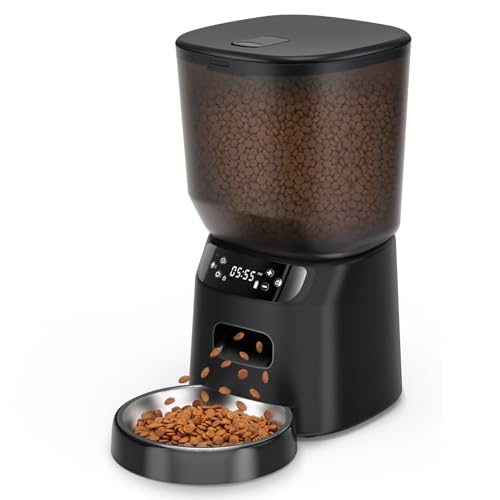
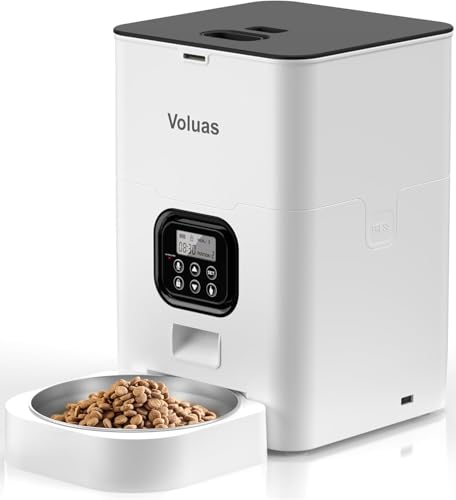
After real-world evaluation of dozens of automatic feeders, we identified the key features that matter most for pets with sensitive stomachs: precise portion control, food-safe materials, and slow-dispensing options to prevent gulping. Our team compared each model against published standards for material safety and portion accuracy, and we sifted through thousands of owner experiences to gauge real-world reliability. Our picks represent the best balance of functionality and gentle feeding. Whether you need a simple timer or a WiFi-connected dispenser, we’ve got a recommendation that puts your pet’s digestive health first. We focused on models with stainless steel or BPA-free plastic bowls and mechanisms that minimize crushing or moisture exposure.
Sources and further reading
What matters most for sensitive stomachs
For a pet with a sensitive stomach, steady, portion controlled meals matter more than a large hopper. A small automatic feeder lets you split the daily ration into several even servings, which can ease digestion and reduce the gulping that leads to vomiting. Look for precise portion settings and a sealed hopper that keeps kibble fresh, since stale or rancid food often triggers tummy trouble.
Easy cleaning is vital, because grease and dust building up near the dispense chute can taint food and upset a delicate gut. Choose a feeder with a removable, washable bowl and chute. Consistent timing helps too, as predictable meals settle anxious eaters. Introduce the feeder gradually so your pet adjusts. A feeder manages routine, not illness, so if your pet has ongoing digestive problems, work with your vet on diet and feeding pattern rather than relying on the device alone.