Quick answer
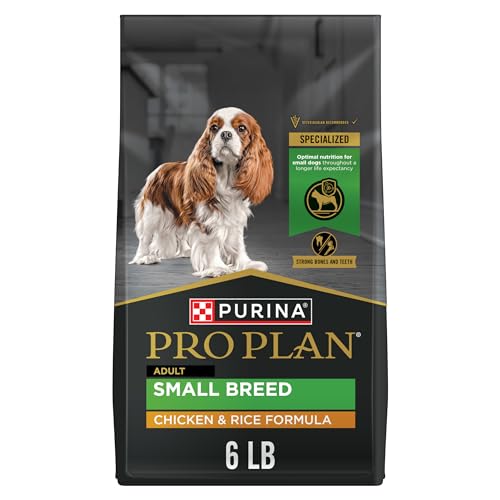
Our top pick is Royal Canin Small Breed Adult Dry Dog Food, formulated with precise calories and nutrients for active small dogs. For a budget-friendly option, Purina Pro Plan Small Breed Chicken & Rice Formula offers balanced nutrition. If your dog has a sensitive stomach, Hill’s Science Diet Small & Toy Breed Sensitive Stomach & Skin is excellent.
What to consider for Small Breed Dog Food For Active Dogs
Small breed dogs have faster metabolisms and higher energy needs per pound than larger dogs. Active small breeds require a diet with elevated protein and fat to support muscle maintenance and sustained energy. Kibble size matters; small breeds benefit from smaller kibble that is easier to chew and digest. Additionally, active dogs may need extra joint support and omega fatty acids for coat health. Always choose a formula that meets AAFCO standards for the appropriate life stage.
What to look for in a dog food
Look for a statement that the food is complete and balanced for the specific life stage (adult, puppy, or all life stages) according to AAFCO. The first ingredient should be a named meat source like chicken, lamb, or fish. For active small breeds, aim for protein around 25 to 30% and fat around 15 to 20% on a dry matter basis. Calorie density should be higher, around 350 to 400 kcal per cup, to meet energy needs without overfeeding. Small breed specific formulas often include L-carnitine for metabolism and glucosamine for joint health. Omega-3 and omega-6 fatty acids support skin and coat health.
How we chose these picks
- Evaluated ingredient quality and named meat as first ingredient
- Checked AAFCO nutritional adequacy statements for the correct life stage
- Reviewed guaranteed analysis for protein, fat, and calorie content suitable for active small breeds
- Considered kibble size and shape for small mouths
- Included products with added joint and coat health nutrients
- Selected from reputable brands with a history of quality control
- Compared price per pound to offer options for different budgets
- Never ranked a product higher just because it pays a commission
What to avoid
- Avoid foods with unnamed meat meal (e.g., “meat meal”) as the primary protein source
- Be cautious with grain-free diets; the FDA continues to investigate a potential link between grain-free, legume-heavy diets and canine dilated cardiomyopathy (DCM). Grain-inclusive formulas are generally safer unless your vet advises otherwise
- All-life-stages foods may not be ideal for active small breed adults because they often have lower calorie density
- Do not switch foods abruptly; transition over 7 to 10 days to avoid digestive upset
For more guidance, explore our dog guides, dog food, and dog nutrition resources.