Quick answer
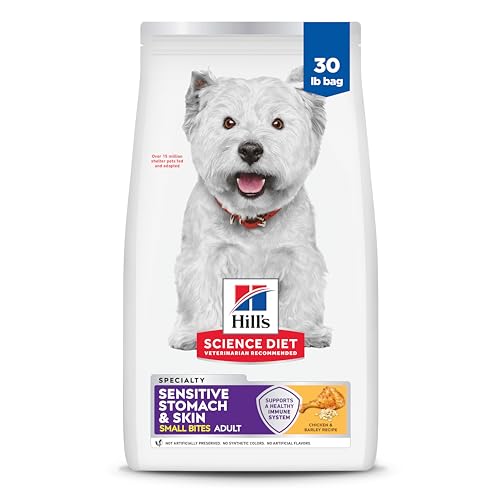
Our top pick is Royal Canin Veterinary Diet Hydrolyzed Protein Small Dog dry food, a prescription diet that uses hydrolyzed proteins to minimize allergic reactions. It’s designed specifically for small breeds with food sensitivities. For a non-prescription option, Purina Pro Plan Sensitive Skin & Stomach Small Breed formula offers great value and digestive support.
What to consider for Small Breed Dog Food For Allergies
Small breed dogs have faster metabolisms and smaller mouths, so kibble size and calorie density matter. For allergies, you need a limited ingredient diet with a novel or hydrolyzed protein source. Common allergens include chicken, beef, dairy, and wheat. Look for foods with a single protein source and minimal additives. Always consult your vet before switching to a new diet, especially if your dog has severe symptoms.
What to look for in a dog food
Choose a food that is AAFCO complete and balanced for the appropriate life stage (adult, puppy, or all life stages). The first ingredient should be a named meat or meat meal. For allergies, novel proteins like salmon, duck, or venison are often better tolerated. Protein content should be around 25 to 30% for small breeds, fat 12 to 18%, and calories around 350 to 450 kcal per cup. Small breed kibble size is important for easy chewing. Omega-3 fatty acids from fish oil can help skin health.
How we chose these picks
- Evaluated ingredient lists for named protein sources and limited ingredients.
- Checked for AAFCO nutritional adequacy statements.
- Prioritized formulas with novel or hydrolyzed proteins for allergy management.
- Considered kibble size and shape suitable for small breeds.
- Reviewed brand reputation and recall history.
- Looked for added omega fatty acids and probiotics for skin and digestive health.
- Compared price per pound and value for the ingredients.
- Never ranked a product higher just because it pays a commission.
What to avoid
- Avoid foods with unnamed meat meals (e.g., “meat meal”) as the primary protein source.
- Be cautious with grain-free or legume-heavy recipes due to the FDA’s ongoing investigation into a potential link with canine DCM. Grain-inclusive diets are generally safer unless your vet advises otherwise.
- Do not feed an all-life-stages food to a small breed puppy unless it meets AAFCO puppy requirements; choose a life-stage appropriate formula.
- Avoid abrupt diet switches; transition over 7 to 10 days to prevent digestive upset.
For more guidance, check out our dog guides, dog food, and dog nutrition categories.