Quick answer
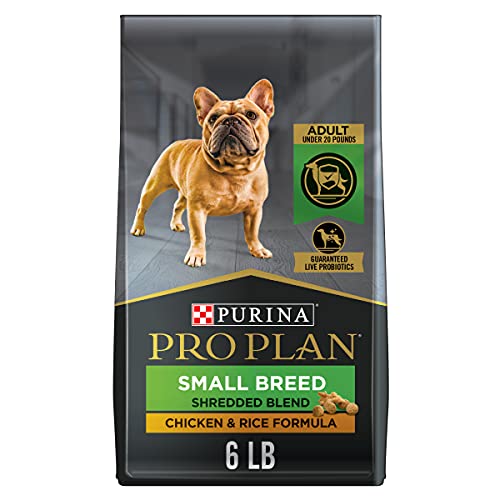
Our top pick is Purina Pro Plan Small Breed Shredded Blend Chicken & Rice Formula. This food combines high-quality protein with omega-6 fatty acids and zinc to support a healthy skin barrier, which can help reduce shedding. For dogs with sensitive stomachs, Hill’s Science Diet Small & Toy Breed Sensitive Stomach & Skin is an excellent alternative. Both are formulated for small breeds and backed by AAFCO feeding-data reviews.
What to consider for Small Breed Dog Food For Dogs That Shed
Shedding is a natural process for dogs, but excessive hair loss can indicate poor nutrition, allergies, or underlying health issues. For small breed dogs, their fast metabolism means they need a calorie-dense diet with high-quality protein to maintain a healthy coat. Omega-3 and omega-6 fatty acids are crucial for skin health and coat quality. Additionally, small breeds often have sensitive stomachs, so easily digestible ingredients and prebiotic fibers are beneficial. Avoid foods with artificial additives or low-quality fillers that can trigger allergies and increase shedding.
What to look for in a dog food
Look for a complete and balanced AAFCO statement for the adult maintenance life stage. The first ingredient should be a named meat source (e.g., chicken, lamb, salmon). Protein content should be between 25% and 30% for small breeds. Fat content around 15% to 20% provides energy and supports skin health. Omega fatty acids, especially linoleic acid (omega-6) and EPA/DHA (omega-3), are important for reducing inflammation and promoting a shiny coat. Zinc and vitamin E also support skin health. For small breeds, kibble size and shape matter for easy chewing. Avoid excessive carbohydrates and fillers like corn, wheat, and soy.
How we chose these picks
- Evaluated ingredient lists for named animal protein as the first ingredient.
- Checked for guaranteed levels of omega fatty acids (especially linoleic acid and EPA/DHA).
- Confirmed the food is formulated for small breeds (kibble size and nutrient profile).
- Prioritized products with AAFCO feeding-data review substantiation.
- Considered brand reputation and adherence to WSAVA guidelines.
- Read reviews from owners of small breeds with shedding issues.
- Compared price per pound to ensure value.
- Never ranked a product higher just because it pays a commission.
What to avoid
- Avoid foods where the only protein source is an unnamed “meat meal” (e.g., “poultry meal” without specifying the animal).
- Do not default to grain-free or legume-heavy recipes unless your veterinarian specifically recommends it; the FDA is investigating a potential link between these diets and canine dilated cardiomyopathy (DCM).
- All-life-stages foods are not ideal for small breed dogs as they may not meet their specific calorie needs or kibble size.
- Abrupt diet switches can cause digestive upset and worsen shedding; transition over 7 to 10 days.
For more guidance, visit our dog guides, dog food reviews, and dog care products.


