Quick answer
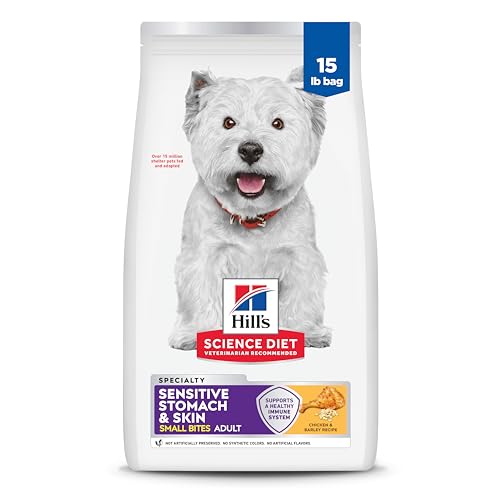
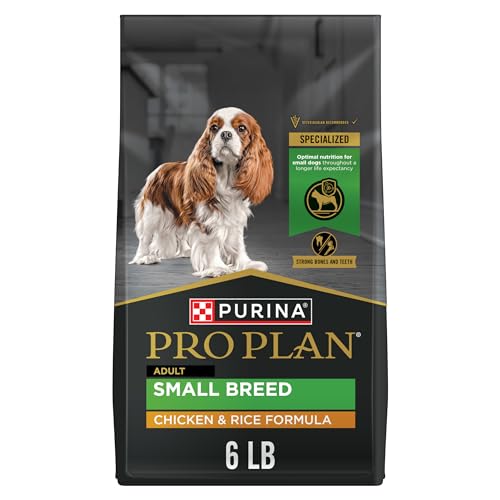
For most Pomeranians, our top overall pick is Royal Canin Pomeranian Adult Dry Dog Food, because it is built around a small kibble that toy mouths can pick up, carries an AAFCO complete and balanced statement for adult maintenance, and targets the calorie density a small, active dog needs. If your Pomeranian has a sensitive stomach, Hill’s Science Diet Small Paws Sensitive Stomach and Skin fits better. On a tighter budget, Diamond Naturals Small Breed Adult Chicken and Rice is a sensible grain inclusive choice, while Royal Canin Small Breed Puppy suits Pomeranian puppies and Purina Pro Plan Small Breed Chicken and Rice is a strong grain inclusive everyday option. Always confirm the life stage matches your dog, and talk to your veterinarian about any medical condition before switching.
What to consider for Dog Food For Pomeranian
Pomeranians are a toy breed, usually 3 to 7 pounds, with a fast metabolism and a small jaw. Two practical things follow from that. First, kibble size and shape matter, because a large nugget is hard for a tiny mouth to chew and can be swallowed whole. Second, calorie density and meal frequency matter, because very small dogs can be prone to low blood sugar, sometimes called hypoglycemia, especially as puppies, so small frequent meals are commonly advised. Pomeranians are also prone to dental crowding and tartar, so kibble texture and overall dental care play a role. Many Poms can tip toward overweight on too many treats, which adds stress to small joints and the trachea. None of this is medical advice, and any concern about weight, blood sugar, or teeth should be discussed with your veterinarian.
What to look for in a dog food
Look first for an AAFCO complete and balanced statement for the correct life stage, either adult maintenance or growth, printed on the label. Choose a recipe with a named meat as the first ingredient, such as chicken, turkey, lamb, or salmon, rather than a vague label. For a small active breed, protein in the roughly 25 to 32 percent range and fat around 12 to 18 percent on a dry matter basis are common and practical targets, though individual needs vary. Because Pomeranians are tiny, small breed suitability through smaller kibble and appropriate calorie density is more useful than any large breed formula. Omega 3 fatty acids may support skin and a healthy coat, which matters for the breed’s heavy double coat, but these are general wellness ideas, not guaranteed results. When in doubt, ask your veterinarian.
Find the right food for your dog’s needs
The picks above suit a healthy adult Pomeranian. For a specific life stage or health need, use these focused guides.
- Puppies: see our guide to the best Pomeranian food for puppies.
- Seniors: see our guide to the best Pomeranian food for senior dogs.
Which food type is best?
Dry, wet, fresh, raw and dehydrated foods can all work for a Pomeranian. The right one depends on your budget, your dog’s preferences and any health needs.
- Dry: most economical and convenient, and the crunch helps clean teeth.
- Wet: higher moisture and often more palatable, useful for fussy eaters or as a topper.
- Fresh and gently cooked: minimally processed with recognisable ingredients, at a higher cost.
- Raw and freeze-dried raw: high protein and minimally processed; handle safely and ask your vet first.
Getting the best value
The cheapest bag is not always the best value. A quality food that keeps your Pomeranian lean, with a healthy coat and firm stools, often means fewer vet visits. Feed to a healthy body condition rather than the bag maximum, and choose a recipe built around quality animal protein.
How we chose these picks
- We prioritized recipes that print an AAFCO complete and balanced statement for a clearly stated life stage.
- We required a named animal protein, such as chicken or salmon, as the first listed ingredient.
- We favored small breed formulas with smaller kibble suited to a toy dog’s mouth.
- We compared publicly available calorie, protein, and fat information against practical small breed needs.
- We checked each brand against the FDA animal food recall list at the time of writing and noted ongoing concerns.
- We leaned toward grain inclusive recipes as a sensible default given the ongoing FDA investigation into diet and canine heart disease.
- We weighed real owner feedback for honest trade-offs like palatability, stool quality, and kibble size.
- Never ranked a product higher just because it pays a commission.
What to avoid
- An unnamed generic “meat meal” as the only protein source, since a named meat tells you far more about what your dog is actually eating.
- Defaulting to grain free or legume heavy recipes without a reason. The FDA investigation into a potential link between certain diets and canine dilated cardiomyopathy is ongoing, and a grain inclusive recipe is the safer default unless your veterinarian advises otherwise.
- Feeding an all life stages food to a large breed puppy, since growth needs differ. For a Pomeranian, still match the food to the adult or growth life stage rather than assuming any formula fits.
- Abrupt diet switches. Transition over about 7 to 10 days by gradually mixing new food into the old to reduce the chance of stomach upset.
For more buying help, browse our dog guides, our dog food roundups, and our dog nutrition articles.