Quick answer
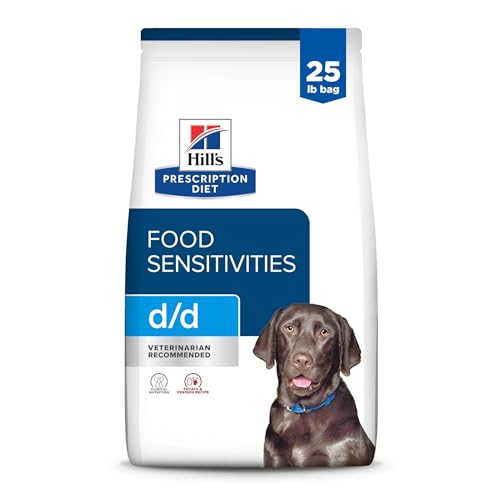
Our top pick is the Royal Canin Veterinary Diet Hydrolyzed Protein Small Dog Dry Dog Food. It uses hydrolyzed proteins to minimize allergic reactions and is formulated for small breeds. For a budget-friendly option, consider Natural Balance L.I.D. Limited Ingredient Diets Small Breed Bites. If your dog prefers wet food, Hill’s Prescription Diet d/d Skin/Food Sensitivities offers a novel protein source.
What to consider for Small Breed Dog Food For Yeast Issues
Small breed dogs have higher metabolic rates and smaller stomachs, so they need calorie-dense, easily digestible food. Yeast overgrowth often stems from food allergies or sensitivities, so a limited ingredient diet with a novel protein (like venison, duck, or salmon) can help. Look for foods low in carbohydrates and sugars, as yeast feeds on sugar. Avoid common allergens like chicken, beef, corn, wheat, and soy. Probiotics and omega-3 fatty acids support gut health and reduce inflammation.
What to look for in a dog food
Choose a food that is AAFCO complete and balanced for your dog’s life stage (adult or puppy). The first ingredient should be a named meat or meat meal (e.g., salmon meal, duck meal). Aim for protein around 25 to 35 percent, fat 12 to 18 percent, and calories around 350 to 450 kcal per cup for small breeds. Avoid foods with added sugars or high-glycemic ingredients like potatoes and tapioca. Grain-inclusive recipes (e.g., brown rice, oats) are generally safer than grain-free due to the FDA’s ongoing DCM investigation. Look for added omega-3s from fish oil and probiotics for skin and digestive health.
How we chose these picks
- Evaluated ingredients for limited, high-quality proteins and low carbohydrate content.
- Selected products specifically formulated for small breed dogs.
- Prioritized brands with a history of rigorous quality control and AAFCO feeding-data reviews.
- Considered customer reviews for palatability and reported improvements in skin/yeast issues.
- Checked for added digestive support (probiotics, prebiotics) and omega fatty acids.
- Excluded products with common allergens or high sugar/starch content.
- Never ranked a product higher just because it pays a commission.
What to avoid
- Avoid unnamed meat meals (e.g., poultry meal) as the primary protein source; they can be from mixed species.
- Do not default to grain-free diets without veterinary guidance, as the FDA is investigating a potential link between grain-free diets and canine DCM.
- Avoid all-life-stages formulas for small breed puppies; they may not provide the right calcium-phosphorus ratio.
- Do not switch foods abruptly; transition over 7 to 10 days to avoid digestive upset.
- Avoid foods with added sugars, corn syrup, or high amounts of starchy vegetables like potatoes.
For more guidance, see our dog guides, dog food, and dog health articles.