Quick answer
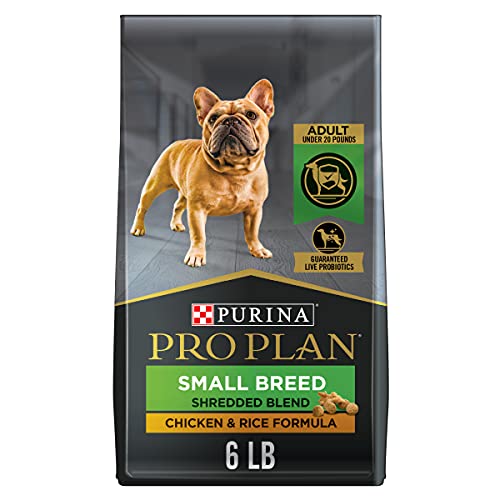
Our top pick is Royal Canin Small Breed Adult Dry Dog Food, which is formulated without legumes and provides balanced nutrition for small dogs. For sensitive stomachs, Hill’s Science Diet Small & Toy Breed is a great alternative, while Purina Pro Plan Small Breed offers a budget-friendly option without sacrificing quality.
What to consider for Small Breed Dog Food Without Legumes
Small breed dogs have higher metabolic rates and smaller stomachs, requiring nutrient-dense foods with higher calorie content per cup. Avoiding legumes is important because some dogs may have sensitivities, and there is ongoing FDA investigation into a potential link between legume-heavy diets and canine dilated cardiomyopathy (DCM). When choosing a legume-free food, look for recipes that use alternative carbohydrate sources like potatoes, sweet potatoes, or rice, and ensure the protein comes from named animal sources.
What to look for in a dog food
First, ensure the food is AAFCO complete and balanced for the appropriate life stage (adult, puppy, or all life stages). The first ingredient should be a named meat (e.g., chicken, lamb, salmon). For small breeds, protein should be around 25 to 30% on a dry matter basis, fat around 15 to 20%, and calories around 350 to 450 kcal per cup. Choose kibble size designed for small jaws. Joint support (glucosamine and chondroitin) and omega fatty acids (for skin and coat) are beneficial but not essential. Avoid foods that rely on unnamed meat meals or have legumes as primary ingredients.
How we chose these picks
- Evaluated ingredient lists to ensure no legumes (peas, lentils, chickpeas, beans) were included.
- Confirmed AAFCO statement for the correct life stage.
- Selected products from reputable brands with strong quality control and feeding-data reviews.
- Considered kibble size and shape suitable for small breeds.
- Checked for balanced protein, fat, and calorie levels appropriate for small dogs.
- Reviewed customer feedback for palatability and digestive tolerance.
- Included options across different price points and specific needs (sensitive stomach, puppy, budget).
- Never ranked a product higher just because it pays a commission.
What to avoid
- Avoid foods with unnamed meat meals (e.g., “meat meal”) as the primary protein source.
- Do not default to grain-free or legume-heavy recipes without veterinary guidance due to the FDA DCM investigation; grain-inclusive is the safer default.
- Do not feed an all-life-stages food to a small breed puppy unless it meets puppy nutritional requirements.
- Avoid abrupt diet switches; transition over 7 to 10 days to prevent digestive upset.
For more guidance, explore our dog guides and related categories: dog food, dog nutrition.