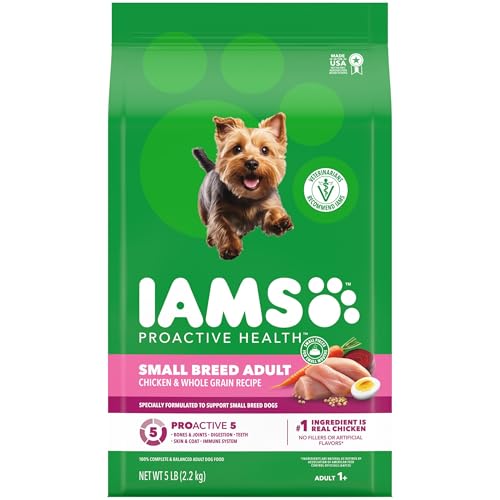
Small dogs have unique nutritional needs-higher energy density, smaller kibble size, and often sensitive stomachs. Our team spent weeks comparing the top contenders, analyzing ingredient lists, guaranteed analysis, and thousands of owner reviews to find the best options for your companion. We evaluated each food against AAFCO standards, manufacturer claims, and real-world palatability. From premium recipes to budget-friendly choices, we’ve got you covered. Here are our top picks for 2026, each chosen for a specific reason.
Sources and further reading
What matters most for small dogs
When choosing dry food for small dogs, prioritize kibble size and calorie density. Small breeds have tiny jaws and faster metabolisms, so opt for petite, easy-to-chew pieces to prevent choking and ensure proper digestion. Look for formulas with higher fat and protein levels (around 18-25% protein) to match their energy needs, but avoid excessive fillers like corn or wheat, which can lead to weight gain without nutritional benefit. Small dogs are prone to dental issues, so select kibble with a textured surface to help reduce plaque buildup.
Avoid generic ‘all life stages’ foods, as they often lack the tailored nutrient balance small breeds require. Steer clear of overly hard or large kibble, which can cause dental fractures or discourage eating. Skip foods with artificial preservatives like BHA/BHT, as small dogs are more susceptible to toxin buildup due to their lower body weight. Pay attention to portion guidance closely, as small dogs gain weight easily, leading to joint stress and other health problems.