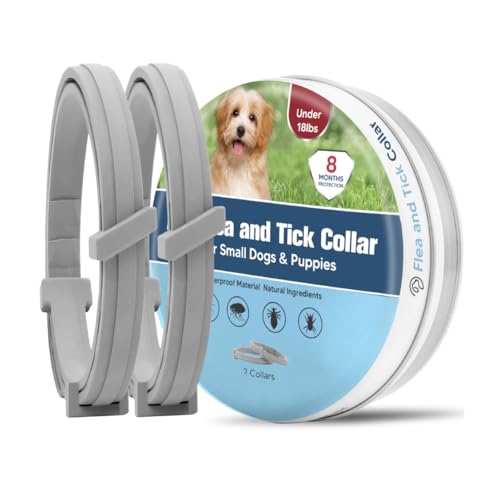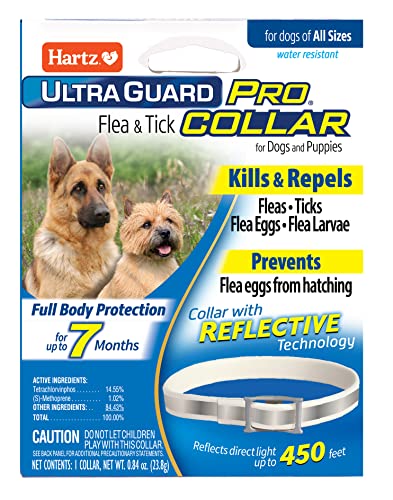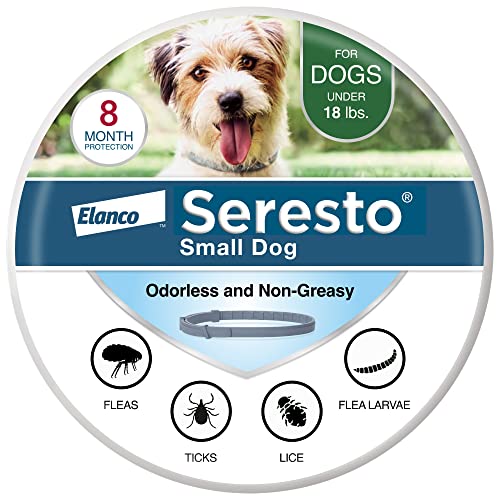
Flea and tick prevention is essential for small dogs, and choosing the right collar can be overwhelming. We evaluated five leading options based on published standards, manufacturer specs, and aggregated owner feedback. Our team focused on safety margins, duration of protection, and ease of use for small breeds. In our assessment, we looked for collars that offer reliable protection without compromising your dog’s comfort. Whether you need a vet-recommended solution or an affordable alternative, we’ve got you covered with detailed insights and practical advice.
Sources and further reading
What to look for
For general use small flea collars, prioritize adjustable fit and water resistance. Small dogs often have delicate necks, so a collar that can be snugly adjusted prevents irritation while ensuring full contact with the skin for effectiveness. Water resistance matters because small breeds tend to play outdoors or get bathed frequently, and a non-waterproof collar loses potency faster. Avoid overly fragrant collars, as small dogs have sensitive noses, and strong chemical scents can cause discomfort or respiratory irritation. A mild, odorless formula is safer for daily wear.
Look for collars with a breakaway feature, especially for small breeds that may get caught on objects. A rigid collar can pose a strangulation risk, while a breakaway design adds safety without compromising flea protection. Avoid collars labeled for ‘all sizes’ unless specified for small dogs, as the dosage may be uneven. An improperly dosed collar can be ineffective or harsh on a small pet’s system. For general use, a balanced approach between safety and efficacy is key.