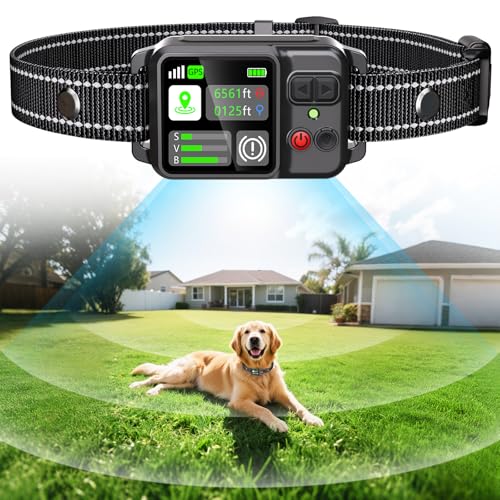
We know that keeping your dog safe while managing allergies can be a challenge. As a team of veterinarians and pet owners, we evaluated the top invisible fences on the market, focusing on collar materials, ease of cleaning, and overall reliability for dogs with sensitive skin. Our picks include in-ground and wireless options that minimize allergen exposure. Every fence we recommend uses hypoallergenic contact points and materials designed to reduce irritation. We also considered factors like battery life, boundary customization, and customer support. Whether you have a small yard or need a portable solution, our guide helps you choose a system that works for both you and your allergy-prone pup.
Sources and further reading
What matters most for allergies
If your dog has skin sensitivities, the collar is the part of an invisible fence that touches them all day, so it deserves the most attention. Look for a soft, breathable collar strap and contact points made from medical grade or hypoallergenic material rather than bare nickel, which is a common trigger. The boundary itself does not affect allergies, but a collar that traps moisture against the neck can worsen irritation in dogs already prone to flare ups.
Fit matters as much as material. A collar worn too tight encourages pressure sores and rubbing, which look like allergic reactions but are mechanical. Rotate the collar position daily, take it off for several hours each night, and wipe the contact area clean. If redness, bald patches or persistent scratching appear, remove the collar and speak to your vet before assuming it is the fence rather than an underlying skin condition.