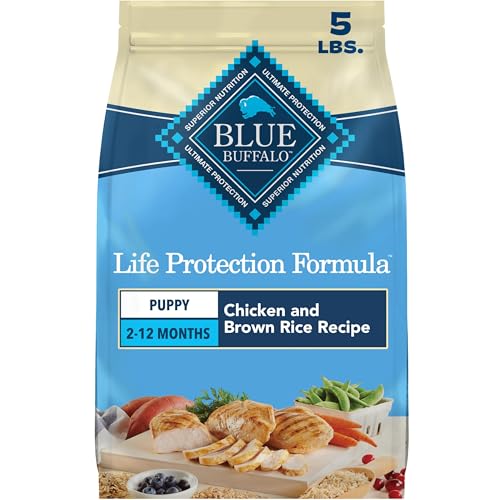
Choosing the right food for a small breed puppy is critical for proper development. Small breeds have unique needs: smaller kibble, precise calcium for bone growth, and ample DHA for brain development. Our team evaluated these five products based on manufacturer specs, AAFCO standards, and aggregated owner feedback. We looked for high-quality protein sources, optimal calcium-to-phosphorus ratios (1.2:1 to 1.4:1), DHA from fish oil, and small kibble size. We also considered ingredient quality and digestibility. Here’s what we found after comparing the leading options on the market.
Sources and further reading
What matters most for puppies
When choosing food for puppies, prioritize formulas specifically labeled for ‘growth’ or ‘all life stages’ as these contain higher levels of protein (at least 22%) and fat (around 8%) to support rapid development. Look for named animal proteins (like chicken or salmon) as the first ingredient, and avoid fillers such as corn, wheat, or soy, which offer little nutritional value and can cause digestive issues. Puppies also need DHA for brain development, so check for ingredients like fish oil or flaxseed. Small kibble size is crucial for tiny mouths, but ensure it’s not so small that it encourages gulping.
Avoid foods with artificial colors, flavors, or preservatives, as these can trigger allergies or sensitivities in young dogs. Steer clear of vague terms like ‘meat meal’ or ‘animal by-products,’ which can indicate low-quality sources. Puppies have delicate stomachs, so sudden ingredient changes or high-fat treats can lead to diarrhea. Stick to a consistent feeding schedule and measure portions carefully to prevent obesity, which is especially risky for small breeds during their growth phase.