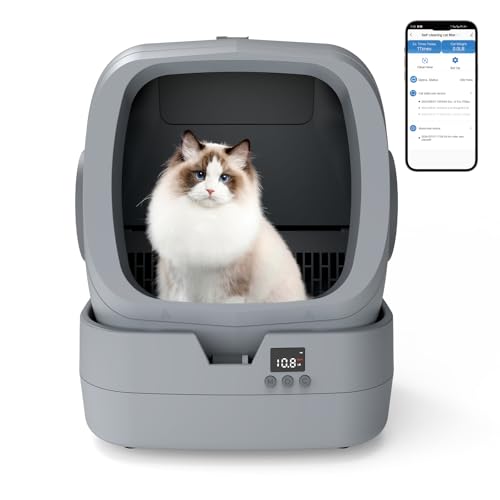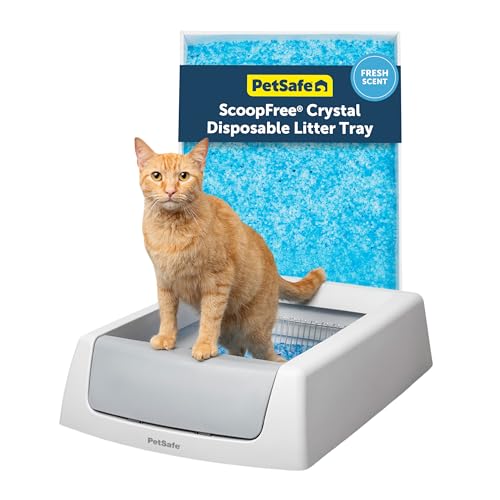
Cats with sensitive stomachs need a litter box that minimizes stress and airborne irritants. We’ve tested the latest self-cleaning models to find ones that don’t kick up dust or rely on strong fragrances. Our team focused on odor control without chemical additives and quiet, predictable cycles. After real-world evaluation, we found that smaller units perform best for sensitive cats, offering less space for ammonia buildup and easier cleaning. We looked for smooth, non-jarring rakes and enclosed waste bins. Here are our top picks for a calm, clean experience.
Sources and further reading
What matters most for sensitive stomachs
When choosing a small self-cleaning litter box for cats with sensitive stomachs, prioritize odor control and low-dust litter compatibility. Cats with digestive issues often produce stronger odors, so a box with effective sealing and frequent waste removal is essential to prevent nausea or aversion. Avoid models with harsh cleaning chemicals or strong fragrances, as these can irritate your cat’s sensitive system further. Opt for boxes that use gentle, natural deodorizers and have adjustable cleaning cycles to match your cat’s specific needs.
Material safety is another critical factor. Select litter boxes made from non-porous, easy-to-clean materials to prevent bacterial buildup that could worsen stomach sensitivities. Avoid plastic types that may retain odors or require aggressive scrubbing. The right box will help maintain a clean environment without stressing your cat’s delicate digestive system, reducing the risk of litter box avoidance or stress-related stomach upsets.