Quick answer
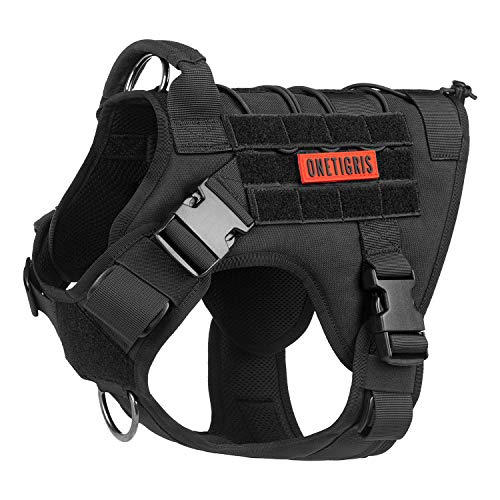
The Ruffwear Front Range Harness is our top pick for dogs with neck issues because its two leash attachment points (front and back) allow steering without neck strain. For a more tactical look with similar neck-friendly design, the OneTigris Tactical Harness is a close runner-up. If you need a budget-friendly option, the Rabbitgoo No-Pull Harness offers effective front-clip control.
What to consider for Tactical Dog Harness For Dogs With Neck Issues
When selecting a tactical harness for a dog with neck problems, the primary concern is avoiding any pressure on the neck. Look for a harness that attaches at the chest or back, never the neck. The harness should have a front D-ring for steering, which discourages pulling and reduces strain. Padding around the chest and shoulders distributes force evenly, and a sturdy handle on the back allows you to assist your dog without touching the neck. Ensure the harness fits snugly but allows full range of motion for the front legs.
What to look for in a gear item (harness, collar, leash or muzzle)
Correct fit and sizing: Measure your dog’s girth (chest behind front legs) and neck; the harness should be adjustable for a secure fit. Durable hardware and materials: Look for reinforced stitching, strong buckles (metal or heavy-duty plastic), and abrasion-resistant fabric. Safety features: Reflective strips for visibility, escape-proof design (no slipping out), and a handle for control. Comfort and padding: Breathable mesh or padded lining to prevent chafing, especially for dogs with sensitive skin. No-pull design: A front clip that gently redirects your dog when they pull, avoiding neck strain.
How we chose these picks
- Evaluated harnesses based on front-clip availability to reduce neck pressure.
- Checked for adjustable fit to accommodate various dog sizes and shapes.
- Prioritized padded chest and shoulder areas for comfort.
- Reviewed customer feedback for durability and ease of use.
- Considered warranty and brand reputation for quality assurance.
- Ensured each pick is widely available on Amazon for convenience.
- Never ranked a product higher just because it pays a commission.
What to avoid
- Ill-fitting sizes: A harness that is too loose can cause chafing or allow escape; too tight restricts movement.
- Flimsy clips that fail on strong dogs: Look for metal or reinforced plastic buckles.
- Aversive tools used without professional guidance: Avoid choke chains, prong collars, or shock collars for neck issues.
- Retractable leashes near traffic: They can cause sudden jerks and offer less control; use a standard 4- to 6-foot leash.
For more dog care advice, visit our dog guides and explore dog care products or dog health resources.