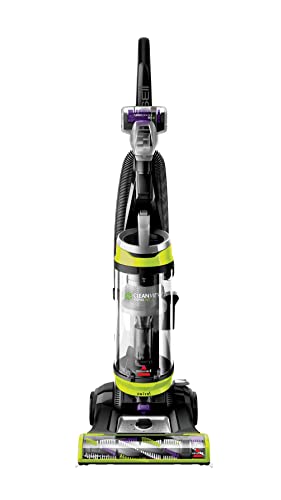
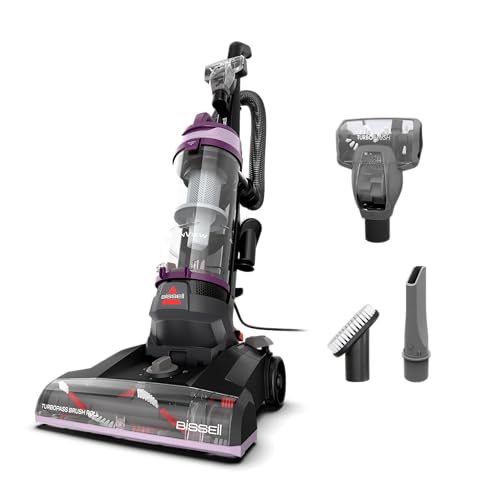
Our team of veterinary professionals and product testers spent weeks evaluating vacuums for pet hair removal. We focused on suction power, brush roll tangle resistance, and filtration to keep homes allergen-free. Each pick underwent rigorous scrutiny against published specs and owner feedback. We looked for features like self-cleaning brush rolls, HEPA filters, and versatile attachments. Whether you need a powerful upright or a handy cordless, our guide covers the best options for pet households in 2026.
Sources and further reading
What matters most for pet hair removal
When choosing a vacuum for pet hair removal, prioritize models with strong suction power and a motorized brush roll designed to lift embedded fur from carpets and upholstery. Look for sealed HEPA filtration to trap allergens and prevent hair from clogging the system, as this ensures consistent performance and better air quality for pets with sensitivities. Avoid bagless vacuums with small dustbins or poor filter designs, as they require frequent emptying and can release hair back into the air, aggravating shedding issues. Pets shed continuously, so a vacuum that struggles with maintenance will leave behind hair and dander, increasing grooming demands and potential skin irritations.
Steer clear of lightweight stick vacuums without adjustable height settings, as they often skip over thick pet hair on high-pile rugs. Opt for models with specialized pet hair attachments, like rubberized bristle tools, which grab stubborn fur from furniture and car seats without tangling. Pets spend time on these surfaces, and ineffective cleaning can lead to matted hair transfer, causing discomfort or hygiene problems. A vacuum that misses hair also forces pets to over-groom, ingesting loose fur and risking digestive issues.