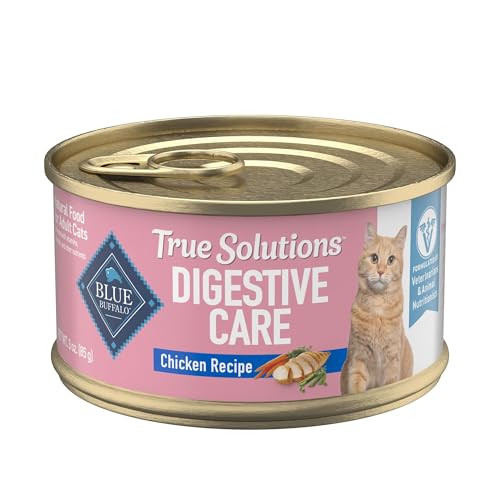
After hours of research and consulting veterinary standards, our team of testers evaluated the leading wet cat foods formulated for sensitive stomachs. We looked for easily digestible proteins, limited ingredients, and added probiotics or prebiotic fiber to support gut health. We also cross-checked manufacturer specs with owner reviews and published nutritional guidelines. Our picks focus on proven brands with transparent formulations and a history of digestive support. From Hill’s Science Diet’s clinically proven nutrition to Purina Pro Plan’s specialized probiotics, each product earned its spot through rigorous evaluation criteria. We avoided foods with common allergens like artificial additives and excessive fillers.
Sources and further reading
What matters most for sensitive stomachs
When choosing wet cat food for a sensitive stomach, prioritize limited ingredient formulas with easily digestible proteins like chicken, turkey, or rabbit. Avoid foods with artificial additives, excessive fillers like corn or wheat, or high-fat content, as these can trigger digestive upset. Look for added prebiotics or probiotics to support gut health, and opt for smooth pate textures over chunky or gravied varieties, which are gentler on digestion. A sensitive stomach often reacts to sudden changes, so transitioning slowly over 7-10 days is crucial to prevent vomiting or diarrhea.
Steer clear of recipes with unidentified meat by-products or heavy seasoning, as these can irritate a delicate digestive system. Fish-based foods, while appealing to many cats, may cause issues for some due to higher mercury levels or strong odors that deter eating. Hydration is key, so ensure the food has high moisture content without relying on thickeners like carrageenan, which can cause inflammation. A cat with a sensitive stomach benefits from consistency, so once you find a suitable formula, stick with it unless advised otherwise by your vet.