Quick answer
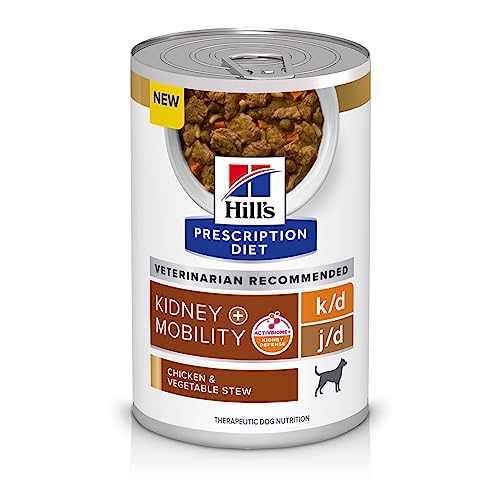
Our top pick for best wet dog food for joint support is Hill’s Prescription Diet j/d Joint Care Chicken & Vegetable Stew, because it’s clinically proven to improve mobility in dogs with osteoarthritis. For a non-prescription option, Purina Pro Plan Veterinary Diets JM Joint Mobility is excellent. If you need a budget-friendly choice, Blue Buffalo True Solutions Blissful Joints offers solid ingredients at a lower price.
What to consider for Wet Dog Food For Joint Support
When selecting a wet dog food for joint support, look for guaranteed levels of glucosamine and chondroitin, and omega-3 fatty acids (EPA/DHA) from fish oil. The food should be AAFCO complete and balanced for your dog’s life stage. Consider your dog’s weight, as obesity worsens joint issues. Also, wet food has higher moisture content, which can help with hydration but may require more food volume to meet calorie needs. Always consult your veterinarian before starting a joint support diet.
What to look for in a dog food
Look for an AAFCO statement indicating the food is complete and balanced for adult maintenance or all life stages. The first ingredient should be a named meat (e.g., chicken, beef, fish). Protein should be around 25 to 35% on a dry matter basis, fat 10 to 20%, and calories 350 to 500 kcal per can (adjust based on size). For large breeds, ensure calcium levels are appropriate. Joint support ingredients like glucosamine, chondroitin, and omega-3s (EPA/DHA) should be listed. Avoid excessive carbohydrates or fillers.
How we chose these picks
- Evaluated guaranteed levels of glucosamine and chondroitin per calorie.
- Checked for omega-3 fatty acids from fish oil (EPA/DHA).
- Verified AAFCO nutritional adequacy statements.
- Prioritized named meat as first ingredient.
- Considered brand reputation and manufacturing quality standards.
- Reviewed ingredient lists for unnecessary fillers or artificial additives.
- Compared price per serving to ensure value.
- Never ranked a product higher just because it pays a commission.
What to avoid
- Avoid unnamed “meat meal” as the only protein source; look for named meats.
- Do not default to grain-free or legume-heavy recipes unless advised by a vet, due to the ongoing FDA investigation into a potential link with canine dilated cardiomyopathy (DCM). Grain-inclusive is the safer default.
- Avoid all-life-stages food for large-breed puppies, as it may have inappropriate calcium levels.
- Do not switch diets abruptly; transition over 7 to 10 days to avoid digestive upset.
For more guidance, see our dog guides, dog food, and dog health resources.


