Quick answer
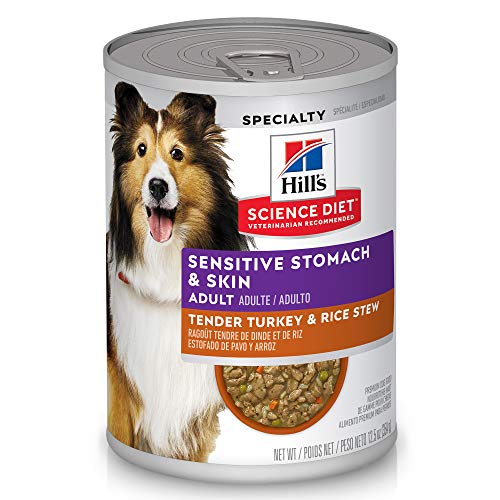
For most dogs with loose stools, our top pick is Purina Pro Plan Veterinary Diets EN Gastroenteric Wet Dog Food. It is highly digestible, contains prebiotic fiber, and is formulated to support digestive health. If your dog needs a grain-inclusive option with novel protein, consider Hill’s Science Diet Sensitive Stomach & Skin. For a budget-friendly choice, try Iams ProActive Health Digestive Health.
What to consider for Wet Dog Food For Loose Stools
Loose stools can stem from dietary indiscretion, food sensitivities, or underlying health issues. When choosing a wet food, prioritize highly digestible ingredients like chicken, turkey, or fish as the first ingredient. Avoid artificial additives, excessive fat, and common allergens like beef or dairy. Look for added prebiotics (e.g., chicory root) and soluble fiber (e.g., pumpkin) to help bulk up stool. Always consult your veterinarian before making a diet change, especially if symptoms persist.
What to look for in a dog food
Choose a wet food that is AAFCO complete and balanced for your dog’s life stage (puppy, adult, or senior). The first ingredient should be a named meat source. Protein should be moderate (around 25 to 35% dry matter) and fat around 10 to 15% dry matter for easy digestion. Calorie content varies; aim for 300 to 400 kcal per can for adult dogs. For large breeds, ensure calcium and phosphorus levels are appropriate for bone health. Added omega-3 fatty acids (from fish oil) can help reduce inflammation. Avoid foods with unnamed meat meals or excessive fillers.
How we chose these picks
- We analyzed ingredient lists for digestibility and fiber sources.
- We prioritized brands with AAFCO feeding-data review substantiation.
- We considered products with limited ingredient lists for sensitive dogs.
- We evaluated customer reviews for stool quality improvement.
- We favored grain-inclusive recipes unless a grain-free diet is medically necessary.
- We checked for added prebiotics and probiotics.
- We compared price per ounce to ensure value.
- Never ranked a product higher just because it pays a commission.
What to avoid
- Avoid foods with unnamed “meat meal” as the sole protein source; it can be hard to digest.
- Do not default to grain-free or legume-heavy recipes unless your veterinarian recommends it due to the FDA DCM investigation.
- Skip all-life-stages formulas for large-breed puppies, as they may have improper calcium levels.
- Avoid abrupt diet switches; transition over 7 to 10 days to prevent further digestive upset.
For more guidance, see our dog guides, dog food, and dog health resources.