Quick answer
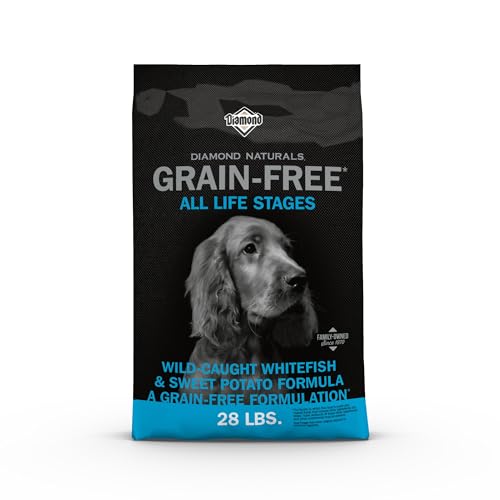
Our top pick is Purina Pro Plan Sensitive Skin & Stomach Salmon & Rice Formula Small Breed. It features real salmon as the first ingredient, is specially formulated for small breeds, and includes omega-6 fatty acids and probiotics for skin and digestive health. For a budget-friendly option, consider Diamond Naturals Whitefish & Sweet Potato Recipe.
What to consider for White Fish Dog Food For Boston Terriers
Boston Terriers often have sensitive skin and food allergies, making white fish a novel protein source that can help avoid common allergens like chicken or beef. Their brachycephalic (short-nosed) structure means they may benefit from smaller kibble sizes that are easier to eat. Additionally, Boston Terriers are prone to obesity, so calorie-controlled formulas with moderate fat levels are ideal. Look for recipes with omega-3 and omega-6 fatty acids to support skin health, and avoid artificial additives that could trigger sensitivities.
What to look for in a dog food
Choose a dog food that is AAFCO complete and balanced for your Boston Terrier’s life stage (puppy, adult, or senior). The first ingredient should be a named protein source like whitefish or salmon. For protein, aim for 22 to 32% dry matter; fat should be 12 to 18% for adults. Calorie content around 350 to 400 kcal per cup is typical for small breeds. Ensure the kibble size is small to accommodate their short muzzle. Look for added glucosamine and chondroitin for joint health, and omega fatty acids for skin and coat.
How we chose these picks
- Evaluated ingredient lists for named protein sources and absence of artificial preservatives
- Checked that each recipe is AAFCO complete and balanced for the appropriate life stage
- Prioritized formulas with small kibble size suitable for Boston Terriers
- Considered inclusion of omega fatty acids for skin health
- Reviewed calorie density to help manage weight
- Selected products from reputable brands with rigorous quality control
- Never ranked a product higher just because it pays a commission
What to avoid
- Unnamed meat meals (e.g., “meat meal”) as the primary protein source
- Defaulting to grain-free or legume-heavy recipes without veterinary advice due to the FDA DCM investigation
- All-life-stages food for a large-breed puppy (not relevant here, but avoid for growing large breeds)
- Abrupt diet switches; transition over 7 to 10 days to avoid digestive upset
For more guidance, browse our dog guides, dog food, and dog nutrition articles.