Quick answer
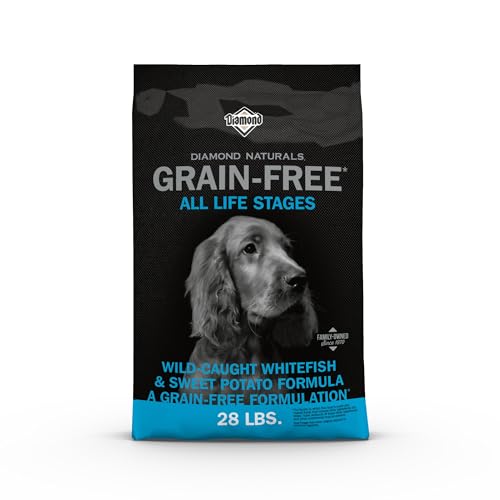
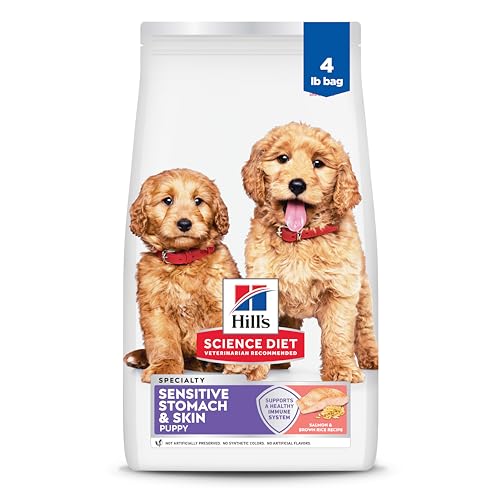
Our top pick is Hill’s Science Diet Sensitive Stomach & Skin White Fish & Rice Recipe. It offers prebiotic fiber and omega-6s for digestive and skin health. For a budget-friendly option, consider Diamond Naturals White Fish & Rice Formula, which includes probiotics. If your dog prefers grain-free, Merrick’s White Fish & Sweet Potato Recipe is a solid choice, but consult your vet before switching to grain-free.
What to consider for White Fish Dog Food For Sensitive Stomachs
White fish is a novel protein source that is less likely to trigger food sensitivities. When choosing a white fish dog food for sensitive stomachs, look for limited ingredients and easily digestible carbohydrates like rice or oatmeal. Avoid artificial additives and high-fat content, which can exacerbate digestive issues. Also, consider your dog’s age, size, and activity level to select the appropriate formula.
What to look for in a dog food
Ensure the food has an AAFCO statement confirming it is complete and balanced for your dog’s life stage. The first ingredient should be a named meat source, such as white fish. Protein levels should be moderate (around 20 to 30% for most adult dogs), with fat content between 10 to 15% to avoid upsetting sensitive stomachs. For large breeds, consider a formula with glucosamine and chondroitin for joint support. Omega-3 and omega-6 fatty acids can help reduce inflammation and support skin health.
How we chose these picks
- Evaluated ingredient lists for named protein sources and limited fillers.
- Checked for AAFCO nutritional adequacy statements.
- Considered customer reviews for palatability and digestive tolerance.
- Prioritized brands with a history of quality control and safety recalls.
- Focused on formulas with added probiotics or prebiotic fiber.
- Assessed fat and protein levels suitable for sensitive stomachs.
- Included a range of price points and product types.
- Never ranked a product higher just because it pays a commission.
What to avoid
- Foods with unnamed “meat meal” as the only protein source.
- Defaulting to grain-free or legume-heavy recipes without veterinary advice, due to the FDA’s ongoing investigation into a potential link with canine DCM.
- All-life-stages food for a large-breed puppy, as it may not have the right calcium-to-phosphorus ratio.
- Abrupt diet switches; always transition over 7 to 10 days.
For more dog food guides, visit our dog guides and check out dog food and dog nutrition sections.