Quick answer
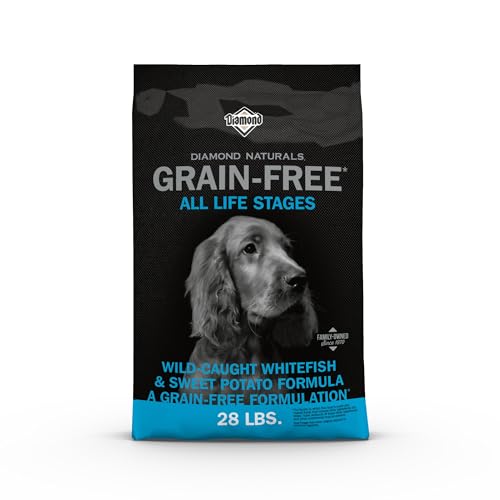
Our top pick is Natural Balance L.I.D. Limited Ingredient Diets White Fish & Sweet Potato Recipe for its single animal protein, grain-inclusive formula, and added omega-3s that support skin health. If your dog has a sensitive stomach, Purina Pro Plan Sensitive Skin & Stomach White Fish & Oat Meal is an excellent alternative with prebiotic fiber. For budget-conscious owners, Diamond Naturals White Fish & Sweet Potato offers solid nutrition at a lower price point.
What to consider for White Fish Dog Food For Yeast Issues
Yeast issues in dogs often stem from food allergies, environmental triggers, or underlying conditions. White fish is a novel protein source that is less likely to provoke an allergic response compared to chicken or beef. When choosing a food, look for a limited ingredient list to minimize potential allergens, and ensure the formula includes omega-3 and omega-6 fatty acids to support skin barrier function. Probiotics and prebiotics can also help balance gut flora, which may reduce yeast overgrowth. Always consult your veterinarian before making dietary changes for yeast-related problems.
What to look for in a dog food
First, verify the food meets AAFCO nutrient profiles for your dog’s life stage (puppy, adult, or senior). The first ingredient should be a named meat, like white fish. Protein content should be moderate, around 20 to 30% on a dry matter basis, with fat levels between 10 to 20%. For yeast issues, avoid excessive carbohydrates as yeast feeds on sugars. Choose a grain-inclusive formula unless your vet advises grain-free. For large breeds, ensure appropriate calcium and phosphorus levels. Omega-3 fatty acids from fish oil or flaxseed are beneficial for skin health.
How we chose these picks
- Evaluated ingredient lists for named white fish as the primary protein source.
- Prioritized limited ingredient diets to reduce allergen exposure.
- Checked for added omega-3 and omega-6 fatty acids to support skin health.
- Ensured each product meets AAFCO nutrient profiles for the intended life stage.
- Considered brand reputation and manufacturing quality standards.
- Reviewed customer feedback for palatability and digestive tolerance.
- Never ranked a product higher just because it pays a commission.
What to avoid
- Avoid foods with unnamed meat meals (e.g., “meat meal”) as the primary protein source.
- Be cautious with grain-free or legume-heavy recipes due to the FDA’s ongoing investigation into a potential link with canine dilated cardiomyopathy (DCM); grain-inclusive is the safer default unless your vet advises otherwise.
- Do not feed all-life-stages food to a large-breed puppy, as it may have improper calcium levels.
- Avoid abrupt diet switches; transition over 7 to 10 days by mixing old and new food.
For more guidance, visit our dog guides, dog food, and dog health sections.