Quick answer
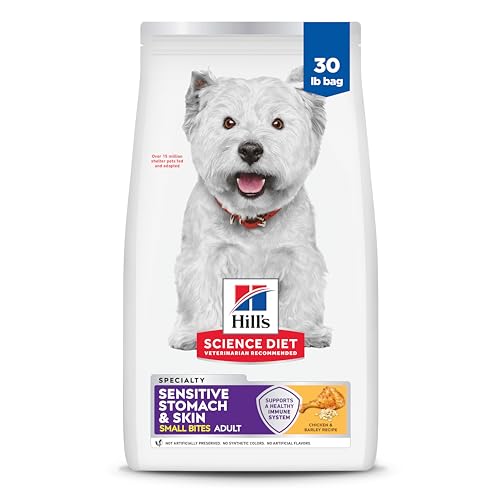
Our top pick is Purina Pro Plan Sport Performance 30/20, which provides high protein and fat for sustained energy without weighing your dog down. For dogs with sensitive stomachs, Hill’s Science Diet Adult Sensitive Stomach & Skin is a close runner-up. If you’re on a budget, Diamond Naturals Extreme Athlete offers excellent value.
What to consider for Working Dog Food For Summer Walks
Summer walks place unique demands on working dogs: they burn more calories to regulate body temperature, need extra hydration, and may experience reduced appetite in heat. The ideal food is highly digestible to minimize gastrointestinal upset, contains moderate to high fat for energy density, and includes electrolytes or ingredients that support hydration. Avoid heavy, high-fiber meals that can cause bloating or sluggishness during activity.
What to look for in a dog food
Look for a complete and balanced statement from AAFCO for the appropriate life stage. The first ingredient should be a named meat source (e.g., chicken, beef, salmon). Protein should be between 25% and 35% for active dogs, fat between 15% and 25% for energy density, and calories around 350 to 450 kcal per cup. Large breed formulas should have controlled calcium levels. Joint support (glucosamine, chondroitin) and omega fatty acids are beneficial for working dogs. Avoid foods with excessive carbohydrates or fillers.
How we chose these picks
- Evaluated nutritional profiles against AAFCO and WSAVA guidelines for active dogs.
- Selected brands with a history of rigorous quality control and feeding-data reviews.
- Prioritized digestibility and ingredients that support hydration and energy.
- Considered price per pound and value for the nutrient density.
- Checked for inclusion of joint-supporting ingredients like glucosamine.
- Focused on products widely available and well-reviewed by owners of working breeds.
- Never ranked a product higher just because it pays a commission.
What to avoid
- Avoid foods where the primary protein source is an unnamed “meat meal” or by-product.
- Do not default to grain-free or legume-heavy recipes; the FDA DCM investigation is ongoing, and grain-inclusive is the safer default unless a vet advises otherwise.
- Never feed an all-life-stages food to a large-breed puppy; it may cause rapid growth and joint issues.
- Avoid abrupt diet switches; transition over 7 to 10 days to prevent digestive upset.
For more guidance, check out our dog guides, dog food, and dog health sections.