Quick answer
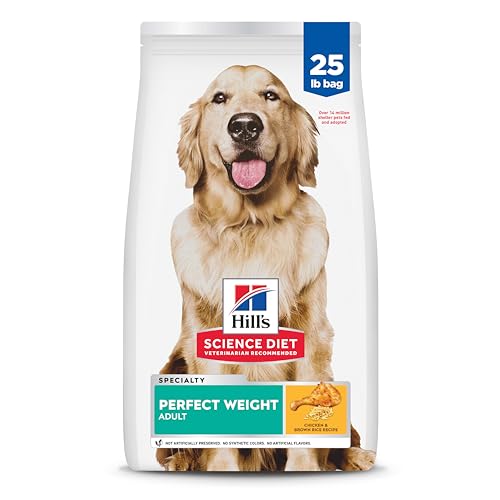
For most working dogs needing weight loss, our top pick is Purina Pro Plan Sport Performance 30/20 Chicken & Rice. It provides high protein (30%) to preserve muscle and moderate fat (20%) for energy, with controlled calories. If your dog has a sensitive stomach, consider Hill’s Science Diet Perfect Weight Chicken & Barley. For a budget-friendly option, Diamond Naturals Extreme Athlete Chicken & Rice offers solid nutrition at a lower price.
What to consider for Working Dog Food For Weight Loss
Working dogs have higher energy demands than average pets, but when they need to lose weight, you must balance calorie reduction with sufficient protein to maintain lean muscle mass. Look for a food with at least 25-30% protein and moderate fat (12-20%) to avoid excessive calories. Fiber content (3-5%) can help your dog feel full. Also consider joint support from glucosamine and chondroitin, as overweight working dogs are prone to joint stress. Always consult your veterinarian before starting a weight loss plan.
What to look for in a dog food
Ensure the food has an AAFCO statement of nutritional adequacy for adult maintenance or all life stages. The first ingredient should be a named meat source (e.g., chicken, beef, salmon). Protein content should be 25-30% for muscle retention, fat 12-20% for energy without excess calories, and fiber 3-5% for satiety. For large breeds, look for controlled calcium levels (1-1.5%) and joint supplements like glucosamine. Omega-3 fatty acids from fish oil support skin, coat, and joint health. Avoid foods with excessive carbohydrates or fillers.
How we chose these picks
- Evaluated protein-to-fat ratio to support lean muscle while promoting weight loss.
- Checked calorie density (kcal per cup) to ensure it fits a weight reduction plan.
- Reviewed ingredient quality, prioritizing named meat sources and whole grains.
- Considered added joint supplements (glucosamine, chondroitin) for working dogs.
- Ensured each product meets AAFCO nutrient profiles for adult dogs.
- Compared price per pound to offer options for different budgets.
- Read customer feedback on palatability and weight loss results.
- Never ranked a product higher just because it pays a commission.
What to avoid
- Avoid foods with an unnamed “meat meal” as the sole protein source; always look for named meals like chicken meal or salmon meal.
- Do not default to grain-free or legume-heavy recipes unless your veterinarian advises it, due to the FDA investigation into a potential link with canine dilated cardiomyopathy (DCM). Grain-inclusive formulas are generally safer.
- Avoid all-life-stages foods for large-breed puppies, as they may have inappropriate calcium levels.
- Never switch your dog’s food abruptly; transition over 7-10 days to avoid digestive upset.
For more guidance, check our dog guides and explore dog food or dog nutrition resources.