Quick answer
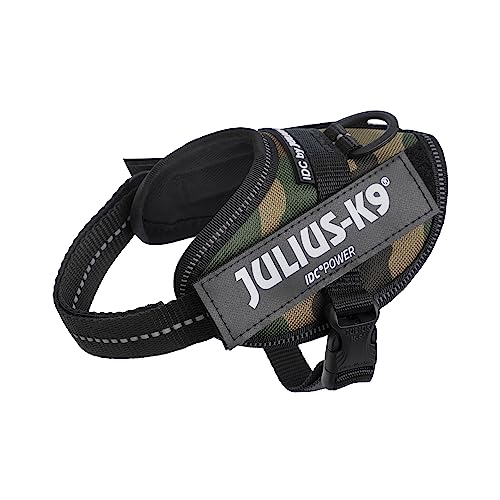
For most puppies, our editorial team rates the Rabbitgoo No-Pull Dog Harness as the best all-round pick. It comes in extra-small and small sizes, has four adjustment points to grow with your dog, a front clip that helps redirect pulling, and a padded chest for comfort during short training walks. If your puppy is a tiny or toy breed under about 10 pounds, the Voyager Step-In Air Mesh Harness is gentler and easier to fit. For owners who want a structured training tool with a sturdy front ring, the PetSafe Easy Walk Harness is a strong runner-up, while the Julius-K9 IDC Powerharness (Baby and Mini sizes) suits sturdier puppy breeds and the Chai’s Choice Front Range Harness offers dual clips on a budget.
What to consider for Top 5 No Pull Dog Harnesss For Puppies
Puppies are a moving target. A harness that fits at 12 weeks may be outgrown within a month, so adjustability and the ability to size up later matter more than for an adult dog. Look for at least three to four adjustment points and a clear weight or girth chart, then measure rather than guess. Puppies also have soft developing joints and tracheas, so a chest-distributing harness is generally kinder than a collar for leash pressure during this stage.
No-pull harnesses for puppies are primarily a management and training aid, not a quick fix. A front clip gently turns your puppy back toward you when they lunge, which buys you time to reward calm walking. Pair it with short sessions and reward-based training, and consult a certified trainer if pulling or reactivity is severe. Finally, prioritize escape resistance: young dogs panic and back out of loose harnesses, so a snug two-finger fit and a secure chest strap are non-negotiable near roads.
What to look for in a gear item (harness, collar, leash or muzzle)
Correct fit and sizing: Measure your puppy’s chest girth and neck, then match the maker’s chart. Aim for a two-finger gap, and recheck the fit weekly as your puppy grows. Durable hardware and materials: Look for metal D-rings or reinforced buckles and double-stitched nylon webbing rather than thin plastic that can crack under sudden lunges. Safety features: Reflective stitching for low light, an escape-resistant chest strap, and a no-choke chest-distributing design protect a growing dog. Comfort and padding: Soft mesh or foam padding prevents chafing on short legs and barrel chests during early walks. No-pull design: A front leash ring redirects forward momentum, while a dual-clip harness lets you switch to a back clip once leash manners improve.
How we chose these picks
- We focused on harnesses that genuinely come in puppy-appropriate small and extra-small sizes with room to adjust as the dog grows.
- We compared published manufacturer specs, size charts, and material descriptions across each brand.
- We weighted adjustability and escape resistance heavily because puppies change shape quickly and can back out of a loose fit.
- We prioritized chest-distributing, no-choke designs that are gentler on developing joints and tracheas.
- We read patterns in publicly available owner feedback to flag common fit and durability complaints.
- We checked that hardware and stitching are described as reinforced enough for normal puppy pulling, while noting honest trade-offs.
- We cross-referenced general guidance from groups like the AKC and ASPCA on humane equipment and leash training.
- Never ranked a product higher just because it pays a commission.
What to avoid
- Ill-fitting sizes: a harness that is too big invites escape and a too-small one chafes and restricts a growing puppy, so always measure and recheck.
- Flimsy clips that fail on strong dogs: thin plastic buckles or single-stitched rings can give way when an excited puppy lunges toward another dog.
- Aversive tools used without professional guidance: skip choke, prong, or shock devices on a puppy, and seek a certified trainer for persistent pulling or fear.
- Retractable leashes near traffic: the loose, variable length gives you little control and can let a startled puppy dart into a road.
For more help choosing gear and raising a confident dog, browse our dog guides, our dog training and care resources, and our dog care products roundups.