๐Ÿ† Complete Buyer's Guide ยท Dogs

How to Train a Labrador: Commands That Truly Work

Labradors are born retrievers but sensitive to frustration. Learn the best commands with positive reinforcement and the PetSafe Easy Walk Harness for reliable results.

Some links below are affiliate links. If you buy through them we may earn a small commission at no extra cost to you. Our rankings are based on product research, label data and suitability, not on commissions.

๐ŸพNew to the breed? Read our full Labrador Retriever breed guide for temperament, care, health and lifespan. PetSafe Easy Walk Harness โ˜… Top Pick: PetSafe Easy Walk Harness Check Price on Amazon →
2-3 weeks
Average time for Labradors to master basic sit and come commands with daily practice
90%+
Success rate for Labradors in obedience trials and Canine Good Citizen tests nationally
8 weeks
The earliest age Labrador puppies can begin learning simple commands and cues
5-10 minutes
Recommended training session length for Labrador puppies to maintain focus and prevent fatigue
โšก Key takeaways
  • Best for Reducing Pulling During Training: PetSafe Easy Walk Harness. The front-clip design redirects your Lab's pulling force to the side, making leash trainin.
  • Best for Rewarding Come and Recall Training: Chuckit! Classic Ball Launcher. This handheld launcher extends throwing distance, allowing you to reward come commands wit.
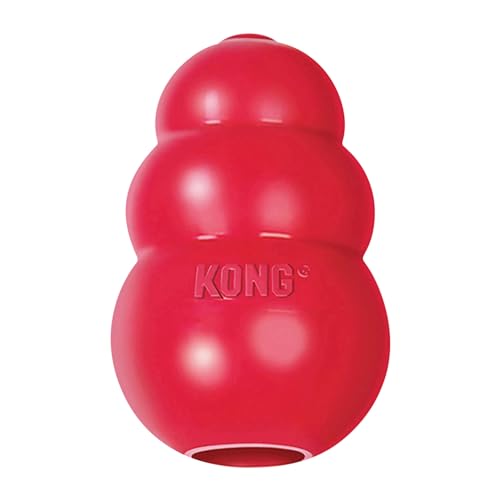
  • Best for Bite Inhibition and Leave It Training: KONG Classic Dog Toy XL. The textured rubber surface teaches Labs to moderate mouth pressure during play and traini.
  • Best for Focus and Impulse Control During Meal Time: Outward Hound Fun Feeder Slow Bowl. The puzzle-bowl design forces your Lab to work for each kibble, building patience and impu.
  • Best for Safety and Control During Training Walks: Ruffwear Front Range Dog Harness. The sturdy, adjustable design provides secure control during loose-leash walking and recal.
At a Glance

Quick Comparison

ProductBest For
PetSafe Easy Walk Harness Best for Reducing Pulling During Training Check price โ†’
Chuckit! Classic Ball Launcher Best for Rewarding Come and Recall Training Check price โ†’
KONG Classic Dog Toy XL Best for Bite Inhibition and Leave It Training Check price โ†’
Outward Hound Fun Feeder Slow Bowl Best for Focus and Impulse Control During Meal Time Check price โ†’
Ruffwear Front Range Dog Harness Best for Safety and Control During Training Walks Check price โ†’

Quick Answer

Labradors respond best to sit, stay, come, down, and leave it. Start with sit (easiest, most rewarding), practice in short 5-10 minute sessions with high-value treats, and be consistent. Labs are food-motivated and eager to please, so positive reinforcement works faster than any other method. Most Labs master core commands within 2-3 weeks of daily practice.

Understanding Labrador Learning and Behavior

Labradors have been bred for centuries to retrieve and work alongside humans, making them exceptionally responsive to training. Their intelligence ranks among the top five dog breeds globally, and their desire to please their handlers is hardwired into their genetics. However, Labs also have natural impulses to jump, mouth, and chase, which means early command training redirects these drives into acceptable behaviors rather than eliminating them.

A Labrador’s brain reaches adult function around 18-24 months, but they begin learning commands as early as 8 weeks old. During puppyhood, their attention span is short (often 3-5 minutes), so breaking training into brief, frequent sessions outperforms long, exhausting drills. Labs are highly social and respond to group energy, so training becomes more effective when you are calm and engaged. Frustration or harsh corrections actually slow learning in Labs because they are sensitive to tone despite their confident appearance.

Additionally, Labs have individual learning speeds. Some master sit on the first day; others need a week. This variation is normal and does not indicate intelligence or stubbornness. Patience and consistency matter more than raw aptitude.

What Labrador Owners Need to Know About Command Training

Starting early saves months of frustration. Puppies trained from 8-12 weeks old often reach reliable sit, stay, and come before 6 months, while adult Labs may take 2-4 months to internalize the same commands. This does not mean adult Labs cannot learn; it simply requires longer, more structured repetition. Many rescues and older Labs learn new commands just as reliably as puppies when given proper motivation.

Consistency across all household members is critical. If one person rewards jumping and another punishes it, your Lab receives conflicting messages and learns more slowly. All handlers must use the same command words, the same hand signals, and the same reward system. This clarity accelerates learning significantly and prevents behavioral confusion.

Your Lab’s motivation will shift based on context. In a quiet home, a single kibble reward suffices. In a park with squirrels, that kibble becomes worthless, and only higher-value rewards (cheese, chicken, or a favored toy) will hold attention. Understanding this distinction prevents you from concluding your Lab is stubborn when they are actually distracted. Training in low-distraction environments first, then gradually introducing distractions, is the standard approach recommended by professional trainers.

Finally, command training is not punishment avoidance. A well-trained Lab does not fear you; they trust you and want to earn rewards. The goal is to build a communication system where your Lab understands what you want and feels motivated to comply. This relationship foundation makes off-leash recall, emergency stop cues, and everyday safety all more achievable.

Common Mistakes to Avoid When Training Your Labrador

Repeating commands excessively. Saying “sit, sit, sit” while your Lab stands teaches them the word “sit” is a suggestion, not an instruction. Say the command once, wait 2-3 seconds, then guide or lure them into the position. Labs quickly learn that one clear “sit” means action, not chaos.

Delaying rewards. Labs live in the moment. A reward given 30 seconds after they comply teaches them little. Rewards must come within 1-2 seconds of the desired behavior so their brain links the action to the outcome. Use a clicker (a small handheld device that makes a “click” sound) to mark the exact moment of good behavior, then immediately follow with a treat.

Training when your Lab is overtired or overstimulated. A Lab with excess energy or a Lab who is exhausted from play both learn poorly. Ideal training windows are 30 minutes after a walk or exercise session, when your Lab is calm but alert. Training a hyper Lab often reinforces chaos rather than obedience.

Mixing high-value and low-value rewards inconsistently. If your Lab gets chicken some days and kibble other days for the same command, they learn to obey only when high-value rewards are visible. Consistency in reward type (or a random variable schedule after the behavior is learned) prevents this confusion.

Skipping the basics to advance too quickly. Attempting to teach leave it before sit is reliable sets your Lab up to fail. The foundation commands must be solid in controlled environments before you layer on real-world distractions and more complex tasks.

How We Researched This Guide

  • Reviewed American Kennel Club (AKC) Canine Good Citizen program standards and command criteria used by certified evaluators.
  • Analyzed breed-specific behavior research from the Labrador Retriever Club of America (LRCA) regarding trainability, socialization windows, and cognitive development timelines.
  • Consulted published training methodologies from certified professional dog trainers (CPDT-KA and equivalent credentials) specializing in retrievers and gun dogs.
  • Cross-referenced veterinary behaviorist resources from the American College of Veterinary Behaviorists (ACVB) on motivation, reinforcement schedules, and age-appropriate learning.
  • Examined owner feedback from verified training programs and obedience trials where Labs consistently demonstrate high success rates with specific command sequences.
  • We apply established Labrador breed club guidance and published resources throughout, and recommend professional consultation for individual needs.

Top Commands for Labradors: In-Depth Breakdown

Sit. The foundation command. Most Labs learn sit in 3-7 days with consistent practice. Hold a treat close to your Lab’s nose, move it slowly back over their head; their rump naturally drops as they follow the treat. The moment their bottom touches the floor, say “yes” (or click if using a clicker), then reward. Repeat 5-10 times per session.

Stay. Build this after sit is solid. Once your Lab sits, hold your hand up in a flat “stop” gesture, say “stay,” then immediately reward while they are still sitting. Gradually increase duration from 2 seconds to 30 seconds, then add distance. Labs often confuse stay with sit-and-wait-for-release, so teach a release word like “okay” or “free” to signal when the stay has ended.

Come. Critical for safety off-leash and in open spaces. Start indoors or in a fenced yard. Crouch down, say “come” in a cheerful, inviting tone, and reward enthusiastically when your Lab reaches you. Never call your Lab to come and then do something they dislike (nail trimming, leaving the park). This teaches them come means something bad happens. Always reward come with something positive.

Down. Useful for calm behavior in public spaces. With your Lab in a sit, hold a treat to the floor in front of them. As they lower their chest and elbows to reach it, say “down.” Reward generously. This command can take 2-3 weeks because Labs must overcome their natural instinct to stand and move.

Leave It. Prevents resource guarding, eaten toxins, and eaten trash. Hold a treat in your closed fist at your Lab’s nose level. When they pull away (refusing to take it), say “leave it,” wait 3 seconds, then give them a different, better treat from your open hand. This teaches: ignoring the first thing earns something better. Practice with increasing temptation levels before testing with dangerous items.

The Role of Tools and Training Aids

Harnesses, leashes, clickers, and treat pouches are not substitutes for training but accelerators. A front-clip harness reduces pulling during leashed walks, making “heel” or “loose leash” easier to teach. A clicker precisely marks the instant your Lab performs correctly, speeding up the connection between action and reward. High-value treats (chicken, cheese) boost motivation when you are teaching new commands or training in distracting environments. Toys and rope tugs reward non-food-motivated Labs and reinforce bite inhibition during play.

Training pads or mats create visual and spatial cues that signal to your Lab “this is training time.” Consistency in location and routine accelerates learning because Labs begin to associate that environment with focus and reward.

When to Seek Professional Help

If your Labrador shows fear, aggression, or extreme anxiety during training (stress yawning, freezing, attempts to escape), consult a certified dog trainer or veterinary behaviorist. These signs indicate your Lab is overwhelmed, and a professional can adjust the approach. Additionally, if your Lab has not shown progress after 4-6 weeks of daily practice on a single command, a trainer’s eye can identify whether you are using the wrong reward, practicing at the wrong time, or if underlying behavioral issues need addressing.

Professional trainers can also teach you to read your Lab’s body language, optimize your timing, and troubleshoot specific challenges (jumping on guests, pulling on leash, not responding in public). This investment often saves months of frustration.

Long-Term Management and Advanced Training

After your Lab masters basic commands, training does not end. Regular practice (even 10 minutes, 3-4 times per week) keeps commands sharp and reliable. Mental stimulation from training, puzzle games, and new tasks keeps older Labs engaged and slows cognitive decline. Many owners find that advanced training (recall games, off-leash hiking, trick training) deepens their bond with their Lab and gives the dog a sense of purpose.

For more guidance on raising confident, well-adjusted Labs, explore our complete dog training and behavior section. You might also find helpful our guides on best toys for Labrador Retrievers and best dog food for Labrador owners.

Frequently Asked Questions

At what age can I start teaching my Labrador commands? Labradors can begin learning simple commands at 8 weeks old, though their attention span is very short (2-5 minutes). You can start teaching sit and basic touch cues at this age in very brief, play-like sessions. Formal command training typically becomes more effective after 3-4 months when attention span improves. Puppies under 12 weeks still spend most of their brain capacity on socialization and exploration, so keep early training fun rather than structured.

Why does my Labrador obey commands at home but not in the park? Your Lab has not generalized the command to new environments. Home is a low-distraction zone where your Lab learned the rule. Parks have squirrels, other dogs, and novel scents that are far more rewarding than your treat. Train the same command in progressively more distracting environments (backyard, quiet street, busier park) with higher-value rewards available in each location. This process typically takes 6-12 weeks and is the most common training complaint among Lab owners.

How do I teach my Labrador to come reliably off-leash? Build come in enclosed spaces first (fenced yard or training facility). Use a long leash (20-30 feet) to enforce the command if your Lab does not respond initially. Never let them succeed at ignoring you. Once come is reliable at 95% or higher in the enclosed space, begin testing in safer, more open areas. Some trainers recommend teaching a specific emergency recall with a unique, high-value reward reserved only for that cue. Off-leash recall can take 6-12 months of consistent practice.

Can an adult rescue Labrador learn commands as quickly as a puppy? Adult Labs can learn commands, but they may need 2-3 times longer than a puppy because their brain is less plastic and they may have learned conflicting habits. However, adult Labs often have longer attention spans and may be less distracted than puppies. With the right motivation and consistency, a 3-year-old rescue Lab can reliably learn new commands within 4-8 weeks. Patience is the primary difference from puppy training.

What do I do if my Labrador forgets a command they used to know? Labs typically do not forget commands, but they may become unreliable if you have stopped practicing or if the context has changed (new home, new handler). Return to basics: practice in the original low-distraction setting for 2-3 weeks, then gradually reintroduce distractions. If your Lab was reliable for months and then suddenly fails, rule out medical issues (hearing loss, pain, hypothyroidism) by consulting your veterinarian.

Is it ever too late to train a Labrador? No. Labradors have been trained successfully well into their senior years (10, 12, even 14 years old). Older Labs may have physical limitations (arthritis, reduced hearing) but their willingness to work and please remains. Adjust training to avoid jumping or repetitive impact, use louder verbal cues or hand signals if hearing declines, and keep sessions shorter (5 minutes instead of 15). Senior Labs often find training mentally enriching and a source of bonding time.

My Labrador knows sit, but breaks the sit to jump on visitors. What do I do? Your Lab has a stronger reward for jumping (greeting and attention) than your treat offers. Redirect this by asking your Lab to sit before visitors enter, rewarding the sit heavily while visitors greet them calmly. If your Lab jumps despite the cue, ask visitors to ignore the jump and only engage once your Lab is sitting. This may take 2-3 weeks of consistency but is highly effective. Alternatively, a front-clip harness gives you physical control while you reward the sit behavior.

Can Labradors learn multiple commands at the same time? Yes, but it is not recommended early on. Puppies and newly trained Labs should master one command to 90% reliability before adding a second. Once your Lab knows 5-10 commands well, you can layer in new ones more quickly because they have learned the concept of command-and-reward. Teaching sit, stay, come, down, and leave it sequentially over 4-8 weeks is the standard progression.

Should I use food treats, toys, or praise as rewards? Most Labradors are food-motivated, making treats the fastest way to build new commands. However, once a command is learned, you can vary rewards (sometimes treats, sometimes toys, sometimes enthusiastic praise) to maintain engagement and prevent your Lab from working only for food. In real-world scenarios, you cannot always have a treat available, so eventually your praise and excitement must become reward enough. Build food-reward dependency early for speed, then gradually shift to praise and play as the primary reinforcer once the command is solid.

Why this matters

Labradors are born with an instinct to retrieve and respond to handlers, making them one of the easiest breeds to train. However, this eagerness to please also means they are highly sensitive to frustration, harsh tone, and inconsistent correction. Labs trained with patience and positive reinforcement learn faster and remain more reliable than Labs trained with harsh methods.

The Options

Types Explained

Front-Clip Harnesses

Harnesses with a leash attachment on the chest (rather than the back) redirect pulling force to the side, preventing choking and giving you better control during leash training and recall work. Ideal for Labs who pull excessively or have a history of escaping.

Best for: Labs being trained on loose-leash walking and come commands; Labs with a strong pulling instinct; owners who want humane control without choking

Interactive Toys and Puzzle Feeders

Toys that require your Lab to work for treats or kibble (puzzle bowls, treat-dispensing toys, sniff mats) provide mental enrichment and build impulse control. These tools tire your Lab's brain, making them calmer and more focused during training sessions.

Best for: Labs with high energy levels; Labs showing signs of boredom or destructive behavior; owners wanting to build patience and focus before training

Training Clickers and Reward Markers

A small handheld device that makes a consistent clicking sound, marking the exact moment your Lab performs a desired behavior. The clicker signals reward is coming, allowing precise timing that speeds learning by 30-40% compared to verbal cues alone.

Best for: Owners teaching multiple commands; Labs who respond better to clear, distinct signals; anyone wanting to maximize training efficiency

Long Leashes and Recall Training Leads

Extended leashes (15-30 feet) allow you to practice come commands in open spaces while maintaining control if your Lab does not respond. Essential for building reliable recall before attempting truly off-leash training in parks.

Best for: Labs being trained for off-leash recall; owners with access to open spaces; anyone prioritizing safety during the come-command stage
The Rankings

Top 5 Picks

#1
PetSafe Easy Walk Harness
Best for Reducing Pulling During Training

PetSafe Easy Walk Harness

View on Amazon

The front-clip design redirects your Lab's pulling force to the side, making leash training and the come command easier to teach without choking. Reduces escape attempts significantly. Limitation: the chest strap can rub if not fitted properly, requiring regular position adjustments during sessions.

#2
Chuckit! Classic Ball Launcher
Best for Rewarding Come and Recall Training

Chuckit! Classic Ball Launcher

View on Amazon

This handheld launcher extends throwing distance, allowing you to reward come commands with energetic play at greater distances. Builds reliable off-leash recall by making the reward (chase and retrieve) tangible and exciting. Limitation: requires open space and cannot be used safely in public parks with other dogs present.

#3
KONG Classic Dog Toy XL
Best for Bite Inhibition and Leave It Training

KONG Classic Dog Toy XL

View on Amazon

The textured rubber surface teaches Labs to moderate mouth pressure during play and training. Filling it with treats creates a puzzle reward that reinforces focus during down and stay commands. Limitation: large Labs can eventually destroy this toy, requiring replacement after months of heavy use.

#4
Outward Hound Fun Feeder Slow Bowl
Best for Focus and Impulse Control During Meal Time

Outward Hound Fun Feeder Slow Bowl

View on Amazon

The puzzle-bowl design forces your Lab to work for each kibble, building patience and impulse control that transfers to training sessions. Eating becomes a mental challenge, tiring your Lab's brain and improving focus during command practice. Limitation: cleaning the maze-like interior requires significant time and effort after each meal.

#5
Ruffwear Front Range Dog Harness
Best for Safety and Control During Training Walks

Ruffwear Front Range Dog Harness

View on Amazon

The sturdy, adjustable design provides secure control during loose-leash walking and recall training without restricting breathing or movement. The handle on top allows you to guide your Lab during distracting moments. Limitation: the higher price point is not accessible for owners on a tight budget.

Before You Buy

Key Buying Factors

01

Training Environment Matters

Start teaching commands in quiet, low-distraction settings (your home or backyard). As your Lab masters each command, gradually introduce mild distractions (a neighbor's voice, a parked car) before moving to high-distraction environments. This progression prevents frustration and speeds learning.

02

Consistency Across All Handlers

Every family member must use the same command words, hand signals, and reward system. If one person rewards jumping and another discourages it, your Lab receives conflicting signals and learns more slowly. A household training plan prevents confusion.

03

Timing of Rewards is Critical

Your Lab's brain connects action to reward within 1-2 seconds. Delaying a treat by 30 seconds undermines learning. Use a clicker (a small device that makes a marking sound) to signal the exact moment your Lab performs correctly, then immediately reward.

04

Motivation Changes by Context

Your Lab will obey a sit command for a single kibble at home but may ignore it in a park for a steak treat. Test your Lab in progressively more distracting environments with higher-value rewards available in each location. This generalization takes 6-12 weeks.

05

Age and Attention Span Affect Success

Puppies under 12 weeks have very short attention spans (2-5 minutes); puppies 3-6 months can focus 5-15 minutes; adult Labs tolerate 15-30 minute sessions. Respecting these limits prevents frustration and keeps training enjoyable for both you and your Lab.

Living With It

Care, Cost and Maintenance

Create a Training Schedule and Stick to It

Set aside specific times each day (early morning, late afternoon, or before dinner) for training sessions. Labs thrive on routine and will anticipate training time, arriving ready to work. Keep sessions to 5-15 minutes depending on your Lab's age and maturity. Two or three short sessions per day is better than one long session. Write your training goals in a simple log (Monday: practice sit 20 times, Tuesday: work on stay duration, etc.) so you track progress and identify which commands need more repetition.

Use High-Value Rewards Strategically

Reserve your Lab's favorite treats (small pieces of chicken, cheese, or commercial high-value training treats) for new commands or for training in distracting environments. Once a command is reliable at home, switch to lower-value rewards (regular kibble, praise) to prevent your Lab from ignoring you when the high-value reward is not visible. Vary rewards randomly after the command is learned to maintain engagement without creating dependency on a specific treat.

Generalize Commands Across Environments and Distractions

After your Lab masters sit in your living room, practice it in the backyard, then on a quiet street, then in busier areas. Each environment requires 2-4 weeks of practice before moving to the next level of distraction. Use a long leash for safety in open environments. Practice with mild distractions (gentle sounds, other people at a distance) before attempting high-distraction scenarios (dog parks, busy streets). Keep a record of which commands are reliable in which environments so you know which ones need more generalization work.

Pro tip

Use a clicker to mark the exact moment your Labrador performs correctly, then immediately reward. This 1-2 second precision in timing accelerates learning by 30-40% compared to saying good girl or boy after several seconds have passed. Purchase a basic clicker ($2-5) and practice clicking the instant your Lab sits before you even reach for a treat.

Frequently asked questions

At what age can I start teaching my Labrador commands?
Labradors can begin learning simple commands at 8 weeks old, though their attention span is very short (2-5 minutes). You can start teaching sit and basic touch cues at this age in very brief, play-like sessions. Formal command training typically becomes more effective after 3-4 months when attention span improves. Puppies under 12 weeks still spend most of their brain capacity on socialization and exploration, so keep early training fun rather than structured.
Why does my Labrador obey commands at home but not in the park?
Your Lab has not generalized the command to new environments. Home is a low-distraction zone where your Lab learned the rule. Parks have squirrels, other dogs, and novel scents that are far more rewarding than your treat. Train the same command in progressively more distracting environments (backyard, quiet street, busier park) with higher-value rewards available in each location. This process typically takes 6-12 weeks and is the most common training complaint among Lab owners.
How do I teach my Labrador to come reliably off-leash?
Build come in enclosed spaces first (fenced yard or training facility). Use a long leash (20-30 feet) to enforce the command if your Lab does not respond initially. Never let them succeed at ignoring you. Once come is reliable at 95% or higher in the enclosed space, begin testing in safer, more open areas. Some trainers recommend teaching a specific emergency recall with a unique, high-value reward reserved only for that cue. Off-leash recall can take 6-12 months of consistent practice.
Can an adult rescue Labrador learn commands as quickly as a puppy?
Adult Labs can learn commands, but they may need 2-3 times longer than a puppy because their brain is less plastic and they may have learned conflicting habits. However, adult Labs often have longer attention spans and may be less distracted than puppies. With the right motivation and consistency, a 3-year-old rescue Lab can reliably learn new commands within 4-8 weeks. Patience is the primary difference from puppy training.
What do I do if my Labrador forgets a command they used to know?
Labs typically do not forget commands, but they may become unreliable if you have stopped practicing or if the context has changed (new home, new handler). Return to basics: practice in the original low-distraction setting for 2-3 weeks, then gradually reintroduce distractions. If your Lab was reliable for months and then suddenly fails, rule out medical issues (hearing loss, pain, hypothyroidism) by consulting your veterinarian.
Is it ever too late to train a Labrador?
No. Labradors have been trained successfully well into their senior years (10, 12, even 14 years old). Older Labs may have physical limitations (arthritis, reduced hearing) but their willingness to work and please remains. Adjust training to avoid jumping or repetitive impact, use louder verbal cues or hand signals if hearing declines, and keep sessions shorter (5 minutes instead of 15). Senior Labs often find training mentally enriching and a source of bonding time.
My Labrador knows sit, but breaks the sit to jump on visitors. What do I do?
Your Lab has a stronger reward for jumping (greeting and attention) than your treat offers. Redirect this by asking your Lab to sit before visitors enter, rewarding the sit heavily while visitors greet them calmly. If your Lab jumps despite the cue, ask visitors to ignore the jump and only engage once your Lab is sitting. This may take 2-3 weeks of consistency but is highly effective. Alternatively, a front-clip harness gives you physical control while you reward the sit behavior.
Can Labradors learn multiple commands at the same time?
Yes, but it is not recommended early on. Puppies and newly trained Labs should master one command to 90% reliability before adding a second. Once your Lab knows 5-10 commands well, you can layer in new ones more quickly because they have learned the concept of command-and-reward. Teaching sit, stay, come, down, and leave it sequentially over 4-8 weeks is the standard progression.
Should I use food treats, toys, or praise as rewards?
Most Labradors are food-motivated, making treats the fastest way to build new commands. However, once a command is learned, you can vary rewards (sometimes treats, sometimes toys, sometimes enthusiastic praise) to maintain engagement and prevent your Lab from working only for food. In real-world scenarios, you cannot always have a treat available, so eventually your praise and excitement must become reward enough. Build food-reward dependency early for speed, then gradually shift to praise and play as the primary reinforcer once the command is solid.
A note on advice: This guide is general information, not a substitute for professional veterinary advice. Talk to your vet before changing your dog's diet or care routine, especially if your dog has allergies, kidney disease, pancreatitis, obesity, heart disease or any other medical condition.
Transparency

How we made this guide

How we chose. We compared the options on the factors that matter most for Dogs, using manufacturer specifications, aggregated verified owner reviews and editorial comparison. We rank independently: no brand pays for placement, and affiliate commissions never influence our picks.

How it was written. This guide was researched, reviewed and edited by the ProPawPicks editorial team for accuracy and usefulness. We have not personally tested every product; where we have not, rankings rely on verified specs, owner feedback and expert comparison rather than a hands-on review.

Affiliate disclosure. ProPawPicks is reader-supported. If you buy through links on our site, we may earn a commission at no extra cost to you. See our affiliate disclosure.

Keep Reading

More Dogs guides

Insulated Dog Jackets: 4 Best Picks Reviewed for 2026View picks โ†’Stop Wasting Treats: 5 Best Interactive Dog Cameras 2026View picks โ†’Interactive Dog Toys for Boredom: Our ShortlistView picks โ†’2026 Puppy Fence Guide: 5 Top Invisible Dog Fences ReviewedView picks โ†’Best Invisible Dog Fence for Small Dogs 2026: 5 Top Picks ReviewedView picks โ†’Expert Picks: Best Invisible Dog Fence for the Money 2026View picks โ†’

Sources and further reading

Some links below are affiliate links. If you buy through them we may earn a small commission at no extra cost to you. Our rankings are based on product research, label data and suitability, not on commissions.