Quick answer
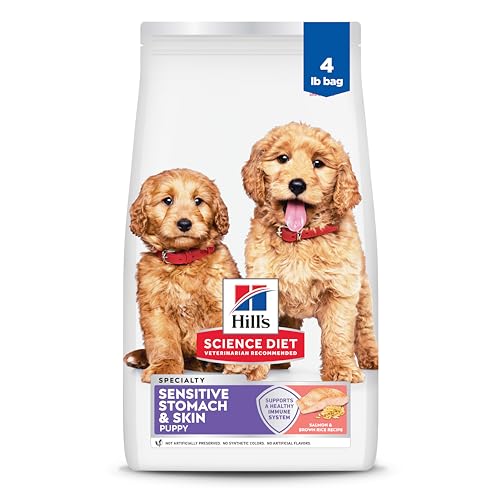
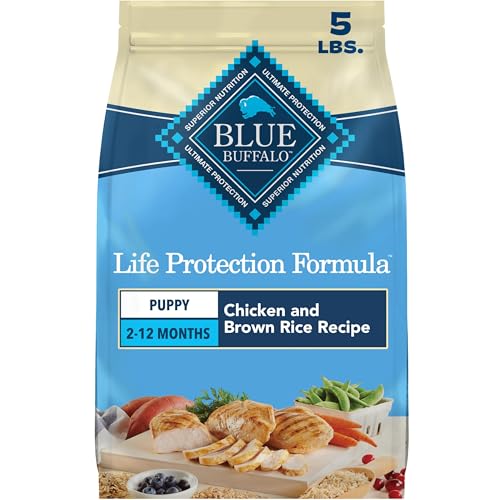
Our editorial team’s top overall pick is Purina Pro Plan Puppy Chicken & Rice Formula. It leads with real chicken, carries an AAFCO complete and balanced statement for growth, and includes DHA from fish oil to support the brain and vision development that active border collie puppies rely on. If your puppy has a touchy stomach, Hill’s Science Diet Puppy Sensitive Stomach & Skin fits better. For a lower price per pound, Diamond Naturals Puppy Formula is a strong value. Royal Canin Medium Puppy suits owners who want a medium-breed-specific kibble, and Blue Buffalo Life Protection Formula Puppy is our pick for a grain-inclusive recipe with deboned chicken. Always confirm any new food fits your individual puppy with your veterinarian.
What to consider for Puppy Food For Border Collie
Border collies are working dogs bred for stamina, herding drive, and quick thinking, so their puppies tend to burn a lot of energy. A growing border collie typically matures into a medium-sized adult of roughly 30 to 55 pounds, which means you generally want a food formulated for medium-breed growth rather than a giant-breed formula. Calorie density matters: too few calories can leave an energetic pup underfed, while overfeeding a calorie-dense food can push growth too fast, which veterinarians often flag as a joint-development concern. Border collies are also a breed where some lines carry the MDR1 gene variant and a predisposition to certain eye and hip conditions, so DHA for neurological and eye development and controlled, steady growth are reasonable priorities. None of this replaces veterinary advice for an individual dog. The breed’s intelligence also makes mealtime and food-based training rewards useful, so a palatable kibble that your puppy reliably eats has practical value.
What to look for in a dog food
First, look for an AAFCO complete and balanced statement for the correct life stage, which for a puppy means “growth” or “all life stages” rather than “adult maintenance” only. Second, prefer a named meat as the first ingredient, such as chicken, lamb, salmon, or beef, instead of a vague “meat” or “meat meal.” Third, aim for sensible nutrient levels: many quality puppy foods land around 26 to 32 percent protein and roughly 14 to 20 percent fat on a dry-matter basis, with calorie density commonly near 350 to 450 kcal per cup, though you should always feed to your specific puppy’s body condition and your veterinarian’s guidance rather than to a fixed number. Fourth, match the formula to size: a medium-breed or all-life-stages food generally suits a border collie, while large or giant-breed puppy formulas are designed for dogs that mature much heavier. Finally, joint and omega support such as DHA, EPA, and appropriate calcium-to-phosphorus balance can be helpful for a growing, athletic breed, but treat any supplement as something to discuss with your veterinarian first.
How we chose these picks
- We compared products using publicly available manufacturer information, ingredient panels, and guaranteed analysis figures, not personal lab testing.
- We required an AAFCO complete and balanced statement for growth or all life stages on every pick.
- We prioritized recipes that name a specific meat as the first ingredient.
- We favored foods formulated for medium-breed or all-life-stages growth, matching a border collie’s adult size.
- We checked for DHA and omega fatty acids that support brain, eye, and skin development in puppies.
- We reviewed each brand’s publicly listed recall history and current availability before including it.
- We weighed honest trade-offs such as price, ingredient sourcing, and palatability rather than listing only positives.
- Never ranked a product higher just because it pays a commission.
What to avoid
- Recipes that list only an unnamed “meat meal” as the protein source, with no specific animal named.
- Defaulting to grain-free or legume-heavy recipes; the FDA investigation into a potential link between certain grain-free, legume-rich diets and canine dilated cardiomyopathy is ongoing, so grain-inclusive is the safer default unless your veterinarian advises otherwise.
- Feeding an all-life-stages food that is formulated and calorie-dense for large-breed puppies to a medium-breed pup, since growth rate and mineral balance matter during development.
- Abrupt diet switches; transition over about 7 to 10 days by gradually mixing old and new food to reduce digestive upset.
For more breed and feeding help, browse our dog guides, our dog food reviews, and our dog nutrition articles.