Quick answer
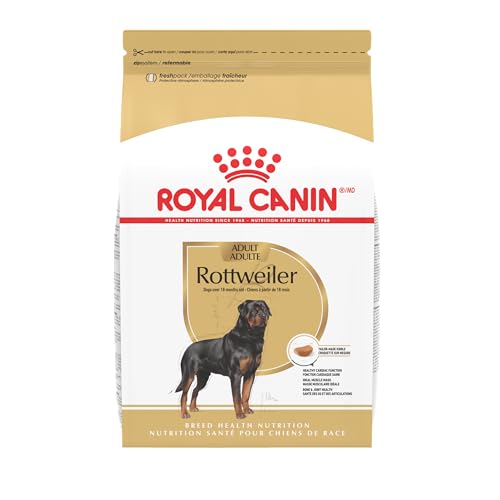
For most adult Dobermans, our top pick is Royal Canin Breed Health Nutrition Doberman Adult Dry Dog Food, because it is formulated specifically for the breed’s size, lean muscle needs, and deep-chested build, and it carries an AAFCO complete and balanced statement for adult maintenance. If your Doberman has a sensitive stomach, Purina Pro Plan Sensitive Skin & Stomach may suit better. On a tighter budget, Diamond Naturals Large Breed Adult delivers a named meat first at a lower cost per pound. For a growing puppy, choose Hill’s Science Diet Large Breed Puppy, and if you want a straightforward grain-inclusive recipe, consider Eukanuba Large Breed Adult. Always consult your veterinarian before changing diets, especially if your dog has any health condition.
What to consider for Dry Dog Food For Doberman
Dobermans are large, athletic working dogs that typically weigh 60 to 100 pounds and carry a lot of lean muscle on a deep, narrow chest. That body type shapes a few real priorities. First, they need enough quality protein and calories to fuel an active lifestyle without encouraging excess weight, which strains joints. Second, because Dobermans are among the breeds historically discussed in the FDA’s ongoing investigation into diet and canine dilated cardiomyopathy, our editorial team leans toward grain-inclusive recipes with a named animal protein first unless your veterinarian advises otherwise. Third, large deep-chested breeds carry a higher bloat risk, so kibble size, feeding pace, and meal splitting matter. None of this replaces veterinary guidance; if your Doberman has any heart, joint, or digestive concern, talk to your vet about a tailored plan.
What to look for in a dog food
Start with an AAFCO complete and balanced statement for the correct life stage. A growing Doberman puppy needs a large-breed growth or all-life-stages formula validated for large-breed puppies, while an adult needs adult maintenance. Look for a named meat as the first ingredient, such as chicken, beef, lamb, or salmon, rather than a vague unnamed “meat meal.” As a practical starting range, many adult large-breed dry foods land around 22 to 30 percent protein and roughly 12 to 18 percent fat, with calorie density often near 350 to 400 kcal per cup; your dog’s ideal numbers depend on age, activity, and body condition, so use these as general reference points, not rules. Favor large-breed suitability, which usually means controlled calcium and phosphorus for puppies and an appropriate kibble size. Finally, joint and omega support, such as glucosamine, chondroitin, and omega-3 fatty acids like EPA and DHA, can be helpful for an active breed, though these are supportive nutrients and not treatments. Discuss any supplement with your veterinarian first.
How we chose these picks
- We compared products using publicly available manufacturer information, ingredient panels, and guaranteed analysis figures, not personal or veterinary testing.
- We required a clear AAFCO complete and balanced statement for a defined life stage on each pick.
- We prioritized recipes that name a specific animal protein as the first ingredient.
- We matched each pick to a Doberman’s size, life stage, or specific need such as sensitive digestion or growth.
- We favored grain-inclusive formulas as a default given the ongoing FDA DCM investigation, unless a recipe served a clear, separate purpose.
- We checked for large-breed suitability, including kibble size and, for puppies, controlled mineral levels.
- We noted at least one honest trade-off for every product so readers can weigh the downsides.
- Never ranked a product higher just because it pays a commission.
What to avoid
- Foods that list only an unnamed “meat meal” as the protein source, with no specific animal named.
- Defaulting to grain-free or legume-heavy recipes; the FDA investigation into a potential link between certain diets and canine dilated cardiomyopathy is ongoing, and a grain-inclusive recipe is the safer default unless your veterinarian advises otherwise.
- Feeding an all-life-stages or adult formula to a large-breed Doberman puppy, which can deliver inappropriate calcium and energy levels during growth.
- Abrupt diet switches; transition over about 7 to 10 days to reduce the risk of stomach upset, and slow down further if you see loose stools.
For more breed-specific advice, browse our dog guides, our dog food roundups, and our dog nutrition articles.


