Quick answer
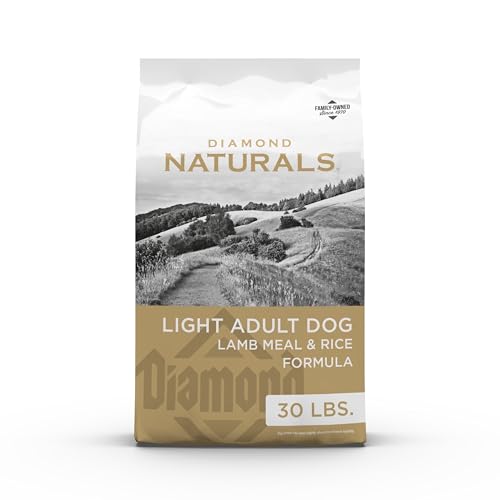
The best overall dog food for neutered dogs is Purina Pro Plan Weight Management Chicken & Rice Formula. It offers controlled calories and high protein to maintain lean muscle. For dogs with sensitive stomachs, Hill’s Science Diet Sensitive Stomach & Skin is a great alternative. If you’re on a budget, Diamond Naturals Light & Fit provides solid nutrition at a lower price.
What to consider for Dog Food For Neutered Dogs
After neutering, a dog’s metabolism slows down, and their energy requirements decrease by about 20 to 30 percent. This makes them prone to weight gain, which can lead to joint issues, diabetes, and other health problems. The ideal food for neutered dogs should have moderate to low fat content, controlled calories, and adequate protein to preserve muscle mass. Additionally, many neutered dogs benefit from added L-carnitine to support fat metabolism and glucosamine for joint health. Always transition to a new food gradually over 7 to 10 days to avoid digestive upset.
What to look for in a dog food
When choosing a food for your neutered dog, start by ensuring it has an AAFCO statement of nutritional adequacy for your dog’s life stage (adult maintenance or all life stages for puppies). Look for a named meat source (e.g., chicken, lamb, or salmon) as the first ingredient. Protein should be around 25 to 30 percent on a dry matter basis, fat around 10 to 15 percent, and fiber above 4 percent to promote satiety. For large breeds, consider a large-breed specific formula with controlled calcium and phosphorus. Small breeds may need smaller kibble size. Joint support from glucosamine and chondroitin, plus omega-3 fatty acids from fish oil, can be beneficial for overall health.
How we chose these picks
- Evaluated calorie density and fat content to ensure they support weight management after neutering.
- Checked that each recipe meets AAFCO nutrient profiles for the appropriate life stage.
- Prioritized named meat sources and avoided unnamed meat meals.
- Considered added nutrients like L-carnitine, glucosamine, and omega fatty acids.
- Reviewed customer feedback and brand reputation for quality control.
- Selected a range of price points and dietary needs (sensitive stomach, grain-free options, etc.).
- Ensured the products are widely available on Amazon for reader convenience.
- Never ranked a product higher just because it pays a commission.
What to avoid
- Foods with unnamed “meat meal” as the only protein source; opt for named meals like chicken meal or salmon meal.
- Defaulting to grain-free or legume-heavy recipes without veterinary advice, as the FDA continues to investigate a potential link to canine dilated cardiomyopathy (DCM). Grain-inclusive diets are generally considered safer.
- All-life-stages foods for large-breed puppies, as they may have inappropriate calcium levels.
- Abrupt diet switches; always transition over 7 to 10 days by mixing old and new food.
For more guidance, explore our dog guides, dog food, and dog nutrition resources.