Quick answer
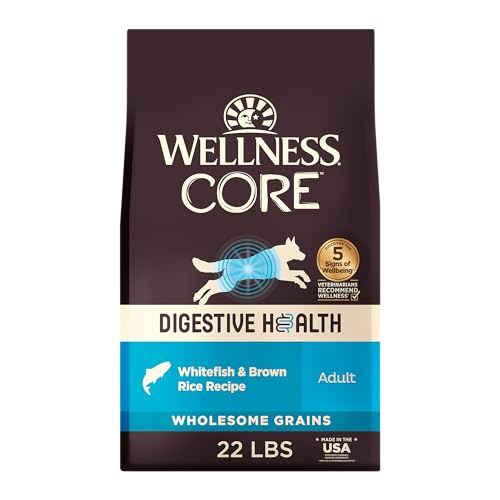
Our top pick is Hill’s Science Diet Adult Sensitive Stomach & Skin Chicken & Vegetable Entree, because it combines easily digestible ingredients with omega-6 fatty acids and vitamin E to support skin and paw health. For a budget-friendly alternative, Purina Pro Plan Sensitive Skin & Stomach Salmon & Rice Formula is excellent. If your dog needs grain-inclusive options, Wellness Complete Health Whitefish & Brown Rice is a strong choice.
What to consider for Wet Dog Food For Dogs With Sensitive Paws
Sensitive paws can stem from allergies, environmental irritants, or underlying health issues. Wet dog food with limited ingredients and omega fatty acids can help reduce inflammation and support skin barrier function. Look for recipes that avoid common allergens like beef, dairy, and chicken if your dog has known sensitivities. Also consider joint-supporting nutrients like glucosamine and chondroitin, as paw discomfort may be linked to arthritis or joint pain. Always consult your veterinarian to rule out medical causes.
What to look for in a dog food
Choose a wet food that is AAFCO complete and balanced for your dog’s life stage (adult, puppy, or senior). The first ingredient should be a named meat or fish, such as salmon or lamb. Aim for moderate protein (25 to 35% dry matter), moderate fat (10 to 20% dry matter), and controlled calories to maintain a healthy weight. For large breeds, ensure appropriate calcium and phosphorus levels. Omega-3 and omega-6 fatty acids (from fish oil or flaxseed) support skin health, while glucosamine and chondroitin aid joint function. Avoid artificial colors, flavors, and preservatives.
How we chose these picks
- Evaluated ingredient lists for named protein sources and limited fillers.
- Prioritized recipes with omega fatty acids and skin-supporting nutrients.
- Checked AAFCO nutritional adequacy statements for appropriate life stages.
- Reviewed customer feedback for palatability and digestive tolerance.
- Considered brand reputation and manufacturing quality standards.
- Focused on products widely available online for easy purchasing.
- Compared price per ounce to ensure value.
- Never ranked a product higher just because it pays a commission.
What to avoid
- Avoid foods with an unnamed “meat meal” as the sole protein source; look for named meats like chicken meal or salmon meal.
- Do not default to grain-free or legume-heavy recipes unless your veterinarian advises it, due to the FDA’s ongoing investigation into a potential link between certain diets and canine dilated cardiomyopathy (DCM).
- Steer clear of all-life-stages food for large-breed puppies, as it may not meet their specific calcium and phosphorus needs.
- Avoid abrupt diet switches; transition over 7 to 10 days to prevent digestive upset.
For more guidance, explore our dog guides, dog food, and dog health resources.