Quick answer
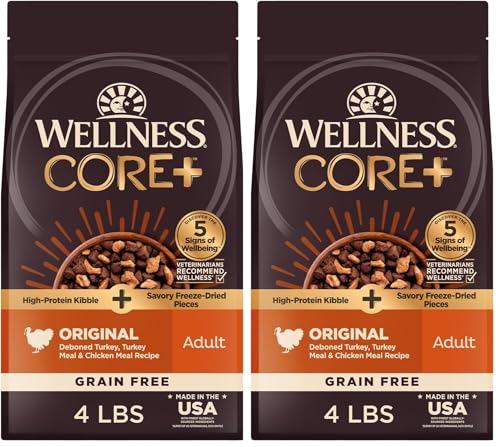
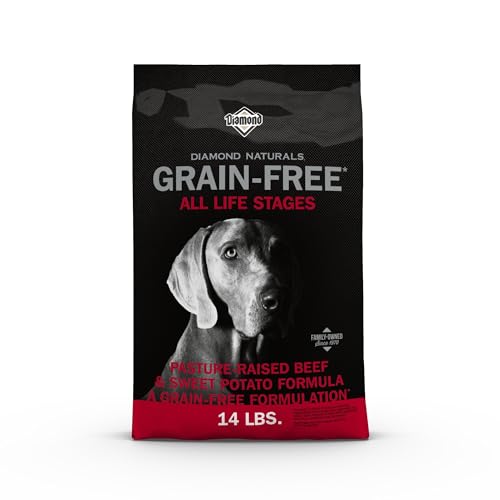
The best dehydrated dog food for weight loss is Merrick Backcountry Raw Infused Dehydrated Dog Food because it offers high protein, moderate fat, and low carbohydrate levels that support healthy weight management. For dogs with sensitive stomachs, consider Wellness CORE RawRev Dehydrated. If you’re on a budget, Diamond Naturals Dehydrated Dog Food provides solid nutrition at a lower price.
What to consider for Dehydrated Dog Food For Weight Loss
Dehydrated dog foods are a convenient alternative to raw or kibble diets, retaining more nutrients through gentle drying. For weight loss, you need a formula with controlled calories (typically 300 to 400 kcal per cup after rehydration), high protein to preserve lean muscle, and moderate fat. Look for named meat as the first ingredient, avoid fillers like corn or wheat, and ensure the food is AAFCO complete and balanced for adult maintenance. Portion control is critical; rehydrate according to package directions and measure carefully.
What to look for in a dog food
Choose a dehydrated dog food that is AAFCO complete and balanced for adult maintenance or all life stages. The first ingredient should be a named meat (e.g., chicken, beef, or salmon). Aim for protein around 30 to 40% on a dry matter basis, fat 10 to 15%, and fiber 4 to 8% to promote satiety. Calorie content should be clearly stated; for weight loss, target 300 to 350 kcal per cup (as fed, after rehydration). If your dog is a large breed, ensure the food meets large breed guidelines for calcium and phosphorus. Joint support from glucosamine and omega-3 fatty acids from fish oil can benefit overweight dogs.
How we chose these picks
- Evaluated calorie density and macronutrient profiles for weight loss suitability
- Verified AAFCO nutritional adequacy statements
- Checked ingredient quality: named meat first, no artificial preservatives or fillers
- Reviewed customer feedback on palatability and digestive tolerance
- Considered price per pound and feeding cost
- Ensured products are widely available on Amazon
- Consulted veterinary nutrition guidelines for safe weight loss
- Never ranked a product higher just because it pays a commission
What to avoid
- Avoid foods with unnamed “meat meal” as the only protein source; look for named meats like chicken meal or salmon meal.
- Do not default to grain-free or legume-heavy recipes. The FDA investigation into a potential link between grain-free diets and canine dilated cardiomyopathy (DCM) is ongoing. Grain-inclusive formulas are the safer default unless your veterinarian advises otherwise.
- Steer clear of all-life-stages foods for large-breed puppies; they need specific calcium and phosphorus levels.
- Avoid abrupt diet switches; transition over 7 to 10 days to prevent digestive upset.
For more guidance, explore our dog guides, dog food, and dog nutrition resources.