Quick answer
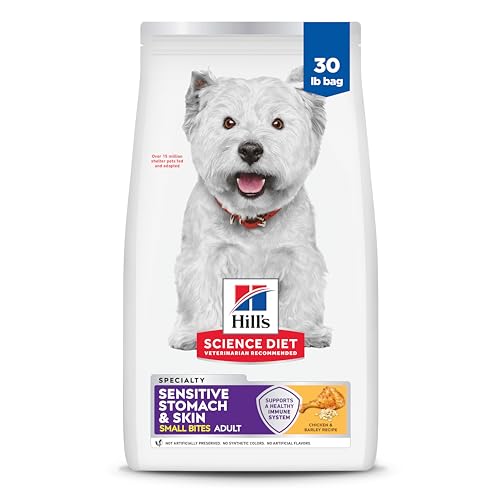
Our top pick is Natural Balance L.I.D. Limited Ingredient Diets Salmon & Brown Rice Recipe because it combines a single animal protein with easily digestible carbohydrates, which can help minimize food sensitivities that contribute to tear stains. If your dog has a very sensitive stomach, consider Hill’s Science Diet Sensitive Stomach & Skin. For budget-conscious owners, Diamond Naturals Limited Ingredient Salmon & Potato offers excellent value.
What to consider for Limited Ingredient Dog Food For Tear Stains
Tear stains are often caused by porphyrins, iron-containing molecules excreted in tears, saliva, and urine. When a dog has food allergies or sensitivities, inflammation can increase tear production and staining. Limited ingredient diets (LIDs) reduce the number of potential allergens, typically featuring one protein source and one carbohydrate source. This simplicity helps identify and eliminate trigger ingredients. Look for a named meat as the first ingredient, avoid artificial additives, and choose a recipe with omega-3 and omega-6 fatty acids to support skin and coat health, which may reduce tear staining.
What to look for in a dog food
First, ensure the food is AAFCO complete and balanced for your dog’s life stage (puppy, adult, or senior). The first ingredient should be a named meat (e.g., salmon, lamb, or venison) rather than a generic “meat meal.” Protein content should be moderate, around 20 to 30 percent on a dry matter basis, and fat around 10 to 20 percent, with calories appropriate for your dog’s activity level. For large breed puppies, choose a large-breed formula with controlled calcium and phosphorus. Omega-3 fatty acids (from fish oil or flaxseed) and omega-6 (from chicken fat or sunflower oil) support skin health and may reduce inflammation. Avoid foods with excessive fillers like corn, wheat, or soy.
How we chose these picks
- Evaluated ingredient lists for limited, high-quality protein and carbohydrate sources.
- Checked that each recipe is AAFCO complete and balanced for the intended life stage.
- Prioritized brands with a history of safety and quality control (e.g., Hill’s, Purina, Royal Canin).
- Considered customer reviews and reported effectiveness in reducing tear stains.
- Ensured a range of price points to suit different budgets.
- Included both grain-inclusive and grain-free options, noting the FDA DCM investigation.
- Never ranked a product higher just because it pays a commission.
What to avoid
- Foods with an unnamed “meat meal” as the only protein source; it could be from any animal and may trigger sensitivities.
- Defaulting to grain-free or legume-heavy recipes without veterinary advice, due to the ongoing FDA investigation into a potential link with canine dilated cardiomyopathy (DCM).
- All-life-stages food for a large-breed puppy; it may have improper calcium-to-phosphorus ratios.
- Abrupt diet switches; transition over 7 to 10 days by mixing increasing amounts of new food with old.
For more guidance, explore our dog guides and related categories: dog food, dog health.