Quick answer
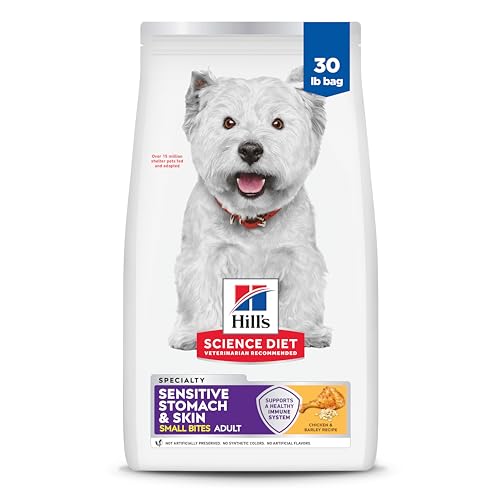
The best grain inclusive dog food for allergies is Purina Pro Plan Sensitive Skin & Stomach Salmon & Rice Formula. It combines a single novel protein with easily digestible carbohydrates and omega fatty acids for skin health. For budget-conscious owners, Diamond Naturals Lamb & Rice is a solid alternative. If your dog has more severe allergies, Hill’s Science Diet Sensitive Stomach & Skin offers a clinically tested option.
What to consider for Grain Inclusive Dog Food For Allergies
When choosing a grain inclusive dog food for allergies, focus on the protein source and carbohydrate profile. Many dogs with allergies react to common proteins like chicken or beef, so novel proteins such as salmon, lamb, or venison are often better tolerated. Grains like rice, oats, and barley are generally safe for most dogs and provide essential nutrients. Avoid foods with artificial additives, fillers, and by-products. Look for a limited ingredient list to minimize potential triggers. Always transition slowly over 7 to 10 days and monitor for signs of improvement such as reduced itching, ear infections, or gastrointestinal upset. Consult your veterinarian to rule out other causes and to confirm that grain inclusive is appropriate for your dog’s specific health needs.
What to look for in a dog food
First, ensure the food is AAFCO complete and balanced for your dog’s life stage (puppy, adult, or senior). Look for a named meat source as the first ingredient, such as salmon or lamb. Protein content should be between 22% and 32% for adults, fat between 10% and 18%, and calories around 300 to 400 kcal per cup, but these are general ranges; adjust based on your dog’s activity and metabolism. For large breeds, consider foods with moderate fat and controlled calcium levels to support joint health. Small breeds may benefit from smaller kibble size and higher calorie density. Omega-3 and omega-6 fatty acids from fish oil or flaxseed support skin health. Glucosamine and chondroitin can aid joint health in older dogs. Avoid foods with generic meat meals or excessive pea protein, which may be linked to DCM concerns.
How we chose these picks
- Evaluated ingredient lists for named protein sources and limited ingredients
- Checked for AAFCO nutritional adequacy statements
- Prioritized brands with a history of quality control and research
- Considered novel protein options to minimize allergic reactions
- Reviewed customer feedback for allergy-related improvements
- Ensured grain inclusive recipes using safe grains like rice or oatmeal
- Compared price per pound to offer budget-friendly options
- Never ranked a product higher just because it pays a commission
What to avoid
- Avoid foods with an unnamed meat meal as the primary protein source, such as ‘meat meal’ or ‘poultry meal’
- Do not default to grain-free diets; the FDA DCM investigation is ongoing, and grain inclusive is safer unless your vet advises otherwise
- Avoid legume-heavy recipes with peas or lentils as main ingredients, especially for large breeds
- Do not feed an all-life-stages food to a large-breed puppy, as it may have improper calcium levels
- Avoid abrupt diet switches; transition over 7 to 10 days to prevent digestive upset
For more guides, visit our dog guides, dog food, and dog health sections.