Quick answer
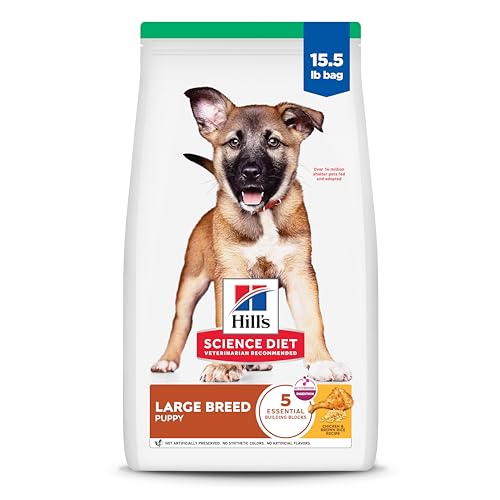
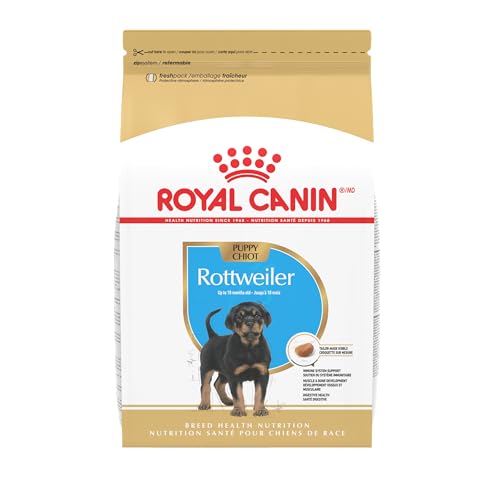
After evaluating ingredients, nutritional profiles, and brand reputation, our top pick is Royal Canin Rottweiler Puppy Dry Dog Food. It is specifically formulated for Rottweiler puppies, with tailored calcium and phosphorus levels to support controlled growth and joint health. For a more affordable option that still meets large-breed puppy needs, Purina Pro Plan Large Breed Puppy Chicken & Rice Formula is an excellent runner-up.
What to consider for Grain Inclusive Dog Food For Rottweiler Puppies
Rottweiler puppies have unique nutritional needs due to their large size and rapid growth rate. They require a diet with controlled calcium and phosphorus to prevent developmental orthopedic diseases. Grain inclusive recipes provide digestible carbohydrates and fiber, which can help maintain steady energy levels and healthy digestion. Look for formulas that include animal-based protein sources like chicken, lamb, or fish, and avoid excessive fat to prevent obesity. Omega-3 fatty acids from sources like fish oil support brain and eye development, while glucosamine and chondroitin promote joint health.
What to look for in a dog food
Choose a food that is AAFCO complete and balanced for growth or all life stages, but ensure it is specifically formulated for large-breed puppies. The first ingredient should be a named meat (e.g., chicken, lamb, or fish). Protein content should be between 22% and 32% on a dry matter basis, fat between 8% and 18%, and calories around 300 to 400 kcal per cup. Large-breed puppy foods have lower calcium (around 1.0% to 1.5%) and phosphorus (0.8% to 1.2%) to support slow, steady growth. Look for added glucosamine, chondroitin, and omega-3 fatty acids for joint and cognitive health.
How we chose these picks
- Evaluated nutritional adequacy for growth (AAFCO statement) and suitability for large-breed puppies.
- Checked that the first ingredient is a named meat or meat meal, not an unnamed by-product.
- Ensured calcium and phosphorus levels are appropriate for large-breed growth (calcium below 1.5% on dry matter basis).
- Favored brands with a history of conducting feeding trials and publishing research.
- Considered ingredient quality, including named fat sources and inclusion of omega-3 fatty acids.
- Reviewed customer feedback and brand reputation for safety and quality control.
- Compared price per pound to offer options across budgets.
- Never ranked a product higher just because it pays a commission.
What to avoid
- Foods with an unnamed “meat meal” as the only protein source; avoid generic poultry or meat meal without a named animal.
- Grain-free recipes or those high in legumes (peas, lentils) unless recommended by a veterinarian, due to the FDA’s ongoing investigation into a potential link with canine dilated cardiomyopathy (DCM). Grain inclusive is the safer default.
- All-life-stages foods that are not specifically formulated for large-breed puppies; these often have calcium levels too high for large-breed growth.
- Abrupt diet switches; transition over 7 to 10 days by mixing increasing amounts of new food with the old.
For more guides, visit our dog guides and dog food or dog nutrition sections.