Quick answer
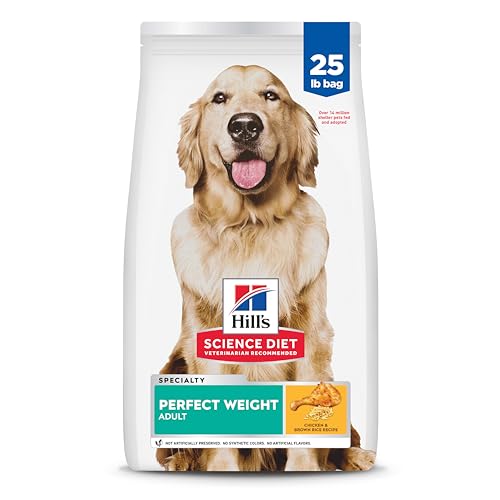
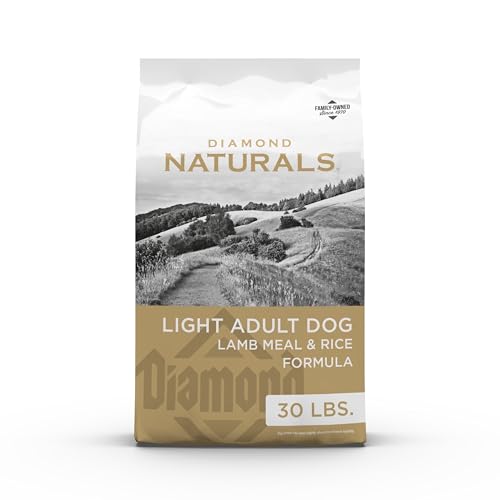
Our top pick for best lamb dog food for weight loss is Purina Pro Plan Weight Management Chicken & Rice Formula (but note it’s chicken-based, not lamb). For a true lamb option, Blue Buffalo Life Protection Healthy Weight Lamb & Brown Rice is our best overall lamb choice. It offers high-quality lamb protein, controlled calories, and added glucosamine for joint health. If your dog has a sensitive stomach, Hill’s Science Diet Adult Perfect Weight Lamb Meal & Brown Rice is a great runner-up with easily digestible ingredients.
What to consider for Lamb Dog Food For Weight Loss
When choosing a lamb-based weight loss dog food, focus on calorie density (aim for 300 to 350 kcal per cup), protein-to-fat ratio (higher protein, moderate fat), and fiber content (3% to 5%) to promote satiety. Ensure the food is AAFCO complete and balanced for your dog’s life stage. Lamb is a novel protein for many dogs, making it a good choice for food sensitivities. Also consider your dog’s size, age, and activity level to tailor the calorie intake.
What to look for in a dog food
Look for a named meat source (like lamb or lamb meal) as the first ingredient. Protein should be around 25% to 30% on a dry matter basis, fat 10% to 15% for weight loss, and fiber 4% to 6%. The food should be AAFCO complete and balanced for your dog’s life stage (adult or all life stages). For weight loss, avoid foods with excessive carbohydrates or fillers. Joint support ingredients like glucosamine and chondroitin are beneficial for overweight dogs. Omega-3 and omega-6 fatty acids support skin and coat health.
How we chose these picks
- We analyzed ingredient lists for named meat proteins and avoided unnamed meat meals.
- We compared guaranteed analysis values for protein, fat, fiber, and calories to ensure suitability for weight loss.
- We prioritized brands with a history of AAFCO feeding trials or extensive research.
- We considered product variety (dry, wet, and size-specific formulas).
- We reviewed customer feedback for palatability and reported results.
- We checked for inclusion of joint supplements and omega fatty acids.
- We excluded foods with excessive legumes or grain-free formulas due to DCM concerns.
- Never ranked a product higher just because it pays a commission.
What to avoid
- Avoid foods with an unnamed meat meal (e.g., “meat meal”) as the only protein source.
- Be cautious with grain-free or legume-heavy recipes; the FDA DCM investigation is ongoing, so grain-inclusive is the safer default unless your vet advises otherwise.
- Do not feed an all-life-stages food to a large-breed puppy; choose a formula specifically for large-breed puppies.
- Avoid abrupt diet switches; transition over 7 to 10 days to prevent digestive upset.
For more guidance, explore our dog guides and related topics: dog food, dog health.