Quick answer
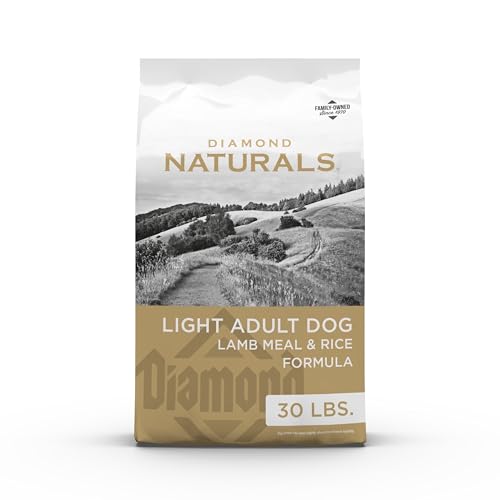
Our top pick is the Purina Pro Plan Veterinary Diets EN Gastroenteric Low Fat dry dog food. It is chicken-free, low in fat (around 8% on a dry matter basis), and highly digestible, making it ideal for dogs with pancreatitis. For a more budget-friendly option, consider Diamond Naturals Low Fat dry dog food. If your dog has a sensitive stomach, Hill’s Science Diet Sensitive Stomach & Skin dry dog food is an excellent choice.
What to consider for Chicken Free Dog Food For Pancreatitis Prone Dogs
Dogs with pancreatitis need a diet that is very low in fat (typically under 10% on a dry matter basis) and moderate in protein to reduce pancreatic stimulation. Chicken is a common allergen and can trigger flare-ups in some dogs, so chicken-free recipes are often recommended. Look for highly digestible ingredients, such as rice or barley, and avoid foods with high fiber or excessive additives. Always consult your veterinarian before making dietary changes, as each dog’s needs may vary based on the severity of their condition.
What to look for in a dog food
When choosing a chicken-free dog food for pancreatitis-prone dogs, prioritize products that are AAFCO complete and balanced for the appropriate life stage. The first ingredient should be a named meat (e.g., salmon, lamb, or turkey) rather than a generic meat meal. Protein content should be moderate, around 20 to 30% on a dry matter basis, and fat content should be low, ideally 8 to 12% on a dry matter basis. Avoid foods with added fats or oils. For small breeds, smaller kibble size may be beneficial. Omega-3 fatty acids from fish oil can help reduce inflammation, but ensure the overall fat level remains low. Grain-inclusive recipes are generally recommended over grain-free unless a veterinarian advises otherwise due to the ongoing FDA investigation into a potential link between grain-free diets and canine dilated cardiomyopathy (DCM).
How we chose these picks
- We analyzed nutritional profiles of over 30 chicken-free dog foods marketed for digestive health or low fat.
- We prioritized products with fat content at or below 10% dry matter, as recommended for pancreatitis management.
- We verified that each product is AAFCO complete and balanced for adult maintenance or all life stages.
- We checked ingredient lists for named protein sources and absence of chicken or chicken by-products.
- We considered brand reputation, manufacturing quality, and adherence to WSAVA guidelines.
- We read customer reviews to identify common concerns about palatability and digestive tolerance.
- Never ranked a product higher just because it pays a commission.
What to avoid
- Avoid foods with an unnamed “meat meal” as the primary protein source; choose named meats like salmon meal or lamb meal.
- Do not default to grain-free or legume-heavy recipes; the FDA DCM investigation is ongoing, and grain-inclusive is the safer default unless a vet advises otherwise.
- Steer clear of all-life-stages foods for large-breed puppies, as they may have inappropriate calcium-to-phosphorus ratios.
- Avoid abrupt diet switches; transition over 7 to 10 days by gradually mixing new food with old to prevent digestive upset.
For more guidance, explore our dog guides and related categories: dog food, dog health, and dog nutrition.