Quick answer
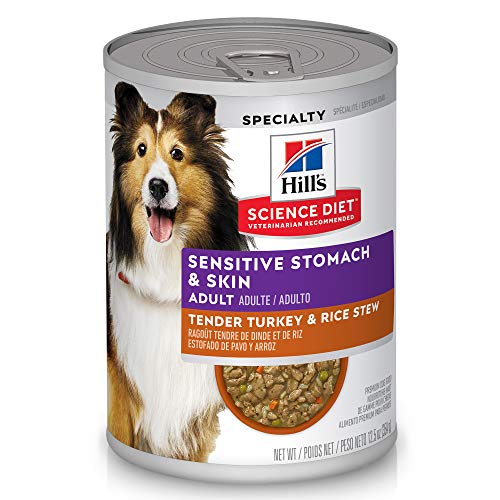
For most first-time owners, our top pick is Purina Pro Plan Turkey & Oat Meal Formula. It offers a single animal protein, easy-to-digest oats, and balanced nutrition for all life stages. If your dog has a sensitive stomach, consider Hill’s Science Diet Sensitive Stomach & Skin Turkey Recipe. For budget-conscious owners, Diamond Naturals Turkey & Rice Formula delivers quality at a lower price.
What to consider for Turkey Dog Food For First Time Owners
Turkey is a lean, novel protein that can be a great alternative to chicken or beef, especially for dogs with food sensitivities. When choosing a turkey-based food, look for a named meat (e.g., “turkey” or “turkey meal”) as the first ingredient. Ensure the recipe meets AAFCO nutrient profiles for your dog’s life stage. Consider your dog’s age, size, and activity level to select appropriate calorie and protein levels. First-time owners should also factor in their budget and the food’s availability.
What to look for in a dog food
Look for a statement that the food is “complete and balanced” according to AAFCO for your dog’s life stage (growth, maintenance, or all life stages). A named meat like turkey or turkey meal should be the first ingredient. Protein content should generally be 18% to 30% on a dry matter basis, fat 8% to 18%, and calories around 300 to 400 kcal per cup, but adjust based on your dog’s needs. For large breeds, ensure calcium and phosphorus levels are appropriate for bone development. Omega-3 and omega-6 fatty acids support skin and coat health, while glucosamine and chondroitin can benefit joints.
How we chose these picks
- Evaluated ingredient quality and sourcing transparency.
- Checked for AAFCO complete and balanced statements.
- Considered protein, fat, and fiber levels appropriate for average dogs.
- Reviewed customer feedback for palatability and digestive tolerance.
- Prioritized brands with strong quality control and feeding trials.
- Selected a range of price points to suit different budgets.
- Included options for various life stages and sensitivities.
- Never ranked a product higher just because it pays a commission.
What to avoid
- Unnamed “meat meal” as the only protein source; it could be from unspecified animals.
- Defaulting to grain-free or legume-heavy recipes without veterinary advice, due to the FDA’s ongoing investigation into a potential link with canine DCM.
- All-life-stages food for a large-breed puppy, as it may not have the correct calcium-to-phosphorus ratio.
- Abrupt diet switches; transition over 7 to 10 days by mixing increasing amounts of new food with old.
For more guidance, check our dog guides, dog food, and dog nutrition sections.