Quick answer
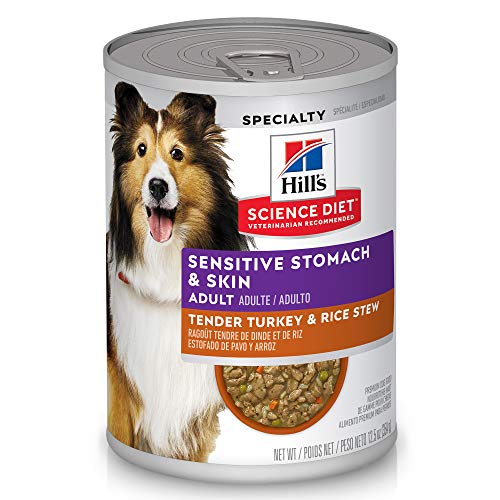
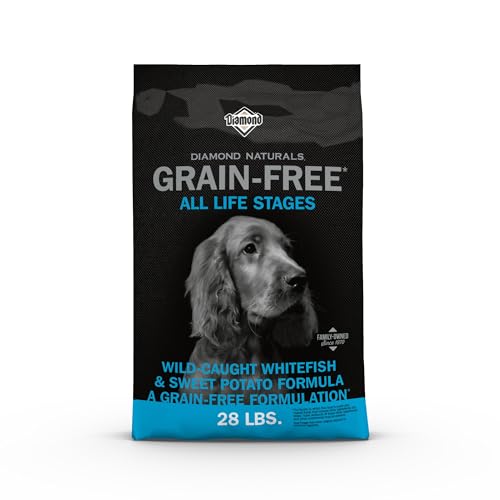
Our top pick for the best white fish dog food for weight gain is Purina Pro Plan Sport Performance 30/20 Salmon & Rice (white fish is salmon). It offers 30% protein and 20% fat for healthy weight gain. For dogs with sensitive stomachs, Hill’s Science Diet Sensitive Stomach & Skin Whitefish & Rice is a great alternative. Budget conscious owners should consider Diamond Naturals Whitefish & Sweet Potato.
What to consider for White Fish Dog Food For Weight Gain
White fish dog food is often chosen for its high digestibility and lower allergenic potential compared to chicken or beef. For weight gain, you need a formula that is calorie dense, typically 350 to 450 kcal per cup, and contains at least 25% protein and 15% fat. White fish is a lean protein source, so many weight gain formulas add healthy fats like chicken fat or fish oil to boost calories. Look for recipes that include rice or oatmeal for easy to digest carbohydrates. Avoid fillers like corn and soy that provide empty calories.
What to look for in a dog food
First, ensure the food meets AAFCO nutrient profiles for your dog’s life stage (puppy, adult, or all life stages). The first ingredient should be a named meat like whitefish, salmon, or trout. Protein should be 25% to 35% on a dry matter basis, fat 15% to 25% for weight gain. Calorie content should be at least 3,500 kcal/kg. For large breed puppies, look for controlled calcium levels (1.0% to 1.5% on a dry matter basis). Joint support from glucosamine and chondroitin can be beneficial for heavier dogs. Omega 3 fatty acids from fish oil support skin and coat health.
How we chose these picks
- Evaluated AAFCO nutritional adequacy statements for the correct life stage.
- Ensured the first ingredient is a named white fish or fish meal.
- Checked that the calorie density is appropriate for weight gain (at least 350 kcal per cup).
- Verified that protein and fat levels fall within the recommended range for healthy weight gain.
- Considered ingredient quality and avoided artificial preservatives, colors, and flavors.
- Read owner reviews to gauge palatability and digestive tolerance.
- Compared price per pound to offer options for different budgets.
- Never ranked a product higher just because it pays a commission.
What to avoid
- Avoid foods where the only protein source is an unnamed “meat meal” or “fish meal”.
- Do not default to grain free or legume heavy recipes unless your veterinarian specifically advises it, due to the ongoing FDA investigation into a potential link between certain diets and canine dilated cardiomyopathy (DCM). Grain inclusive formulas are generally a safer choice.
- Avoid all life stages foods for large breed puppies, as they may not have the correct calcium to phosphorus ratio for proper bone development.
- Never switch your dog’s food abruptly; transition over 7 to 10 days to avoid digestive upset.
For more guidance, visit our dog guides and explore dog food or dog nutrition categories.