Quick answer
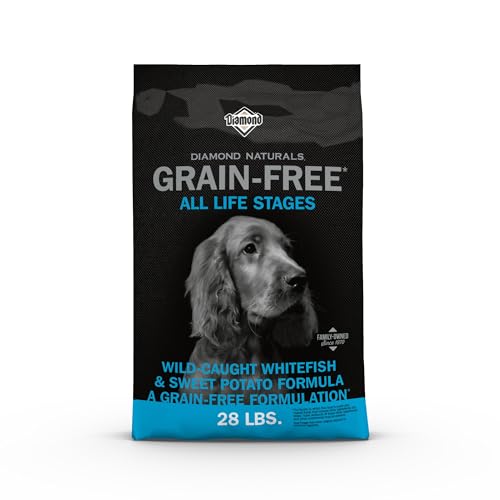
Our top pick is Purina Pro Plan Sensitive Skin & Stomach Salmon & Rice Formula. It combines easily digestible salmon (a white fish) with omega-6 fatty acids and zinc to support a healthy coat and reduce shedding. For a budget-friendly option, Diamond Naturals Whitefish & Sweet Potato provides similar benefits at a lower price. If your dog has grain sensitivities, Blue Buffalo Basics Whitefish & Potato is a limited-ingredient choice.
What to consider for White Fish Dog Food For Dogs That Shed
Dogs that shed excessively may benefit from a diet rich in omega-3 and omega-6 fatty acids, which support skin health and coat quality. White fish is a lean, novel protein source that can be easier on sensitive stomachs. Look for foods with named fish as the first ingredient, adequate protein (18-30% dry matter), and moderate fat (10-20%) to maintain a healthy weight. Avoid fillers like corn, wheat, and soy, which offer little nutritional value. Also consider your dog’s life stage, size, and any allergies.
What to look for in a dog food
First, ensure the food is AAFCO complete and balanced for your dog’s life stage (puppy, adult, or senior). The first ingredient should be a named meat or fish, such as whitefish, salmon, or trout. Protein content should be between 18% and 30% for adults, fat between 10% and 20%, and calories around 300-400 kcal per cup. For large breeds, look for controlled calcium and phosphorus levels to support joint health. Omega-3 and omega-6 fatty acids from fish oil or flaxseed help reduce shedding. Probiotics and prebiotics aid digestion, especially for sensitive dogs.
How we chose these picks
- We analyzed ingredient lists for named white fish as the first protein source.
- We prioritized foods with added omega fatty acids for skin and coat health.
- We selected options that are AAFCO complete and balanced for the appropriate life stage.
- We considered price per pound to offer choices across budgets.
- We reviewed customer feedback for palatability and reported improvements in shedding.
- We ensured a mix of grain-inclusive and limited-ingredient recipes for different needs.
- We avoided products with excessive artificial additives or unnamed meat meals.
- Never ranked a product higher just because it pays a commission.
What to avoid
- Avoid foods where the only protein source is an unnamed “meat meal” or “fish meal” without species identification.
- Do not default to grain-free or legume-heavy recipes unless your veterinarian advises it, due to the ongoing FDA investigation into a potential link with canine dilated cardiomyopathy (DCM).
- Do not feed an all-life-stages food to a large-breed puppy, as it may have improper calcium and phosphorus ratios for healthy growth.
- Avoid abrupt diet switches; transition over 7 to 10 days to prevent digestive upset.
For more guidance, explore our dog guides, dog food, and dog nutrition resources.